Wireframes and Prototypes.
Wireframing and prototyping are essential skills in the UX design process, enabling teams to visualize and test design concepts before development begins. Wireframes are low- to mid-fidelity layouts that outline the structure, content, and functionality of a page or screen without the distraction of visual design. Prototypes build on wireframes to simulate interaction—ranging from simple click-through mockups to fully interactive models that mimic user flows and behaviors. Together, these tools provide a tangible way to explore, communicate, and validate design ideas.
The Value of Wireframes and Prototypes
Wireframes and prototypes bridge the gap between research findings and real-world solutions. They allow designers to iterate quickly, identify usability issues early, and gather feedback from stakeholders and users with minimal investment. This reduces costly changes late in the development process and ensures the product direction aligns with user needs. For teams, these artifacts foster alignment—providing a shared visual language that helps product managers, developers, and business leaders understand how a product will function and evolve.
Driving UX Research and Design Decisions
In the research phase, prototypes are invaluable for usability testing. They allow teams to observe user interactions, test assumptions, and refine the experience based on real behavior—not just opinions. During design, wireframes help organize content hierarchy, define navigation flows, and ensure that functionality supports user goals. Prototypes also enable the exploration of multiple design directions, helping teams evaluate trade-offs and make informed choices. Ultimately, these tools are critical in moving from insight to implementation, anchoring the creative process in a cycle of continuous improvement.
Halliburton – Wireframes and Prototypes to Define Workflow and Functionality
At Halliburton, wireframes played a critical role in the early stages of designing a complex internal application. The initial wireframes were used to define the overall layout, user workflows, and the behavior of key interface components. These low- to mid-fidelity wireframes helped communicate ideas clearly to stakeholders and provided a foundation for aligning design decisions with both user needs and technical constraints.
Once the wireframes were vetted internally, they were tested with end users to validate task flows and identify usability challenges. Feedback from these sessions informed the next iteration—higher-fidelity interactive prototypes that more closely mirrored the final product’s look and feel. These prototypes allowed for deeper usability testing and helped stakeholders visualize the final experience.
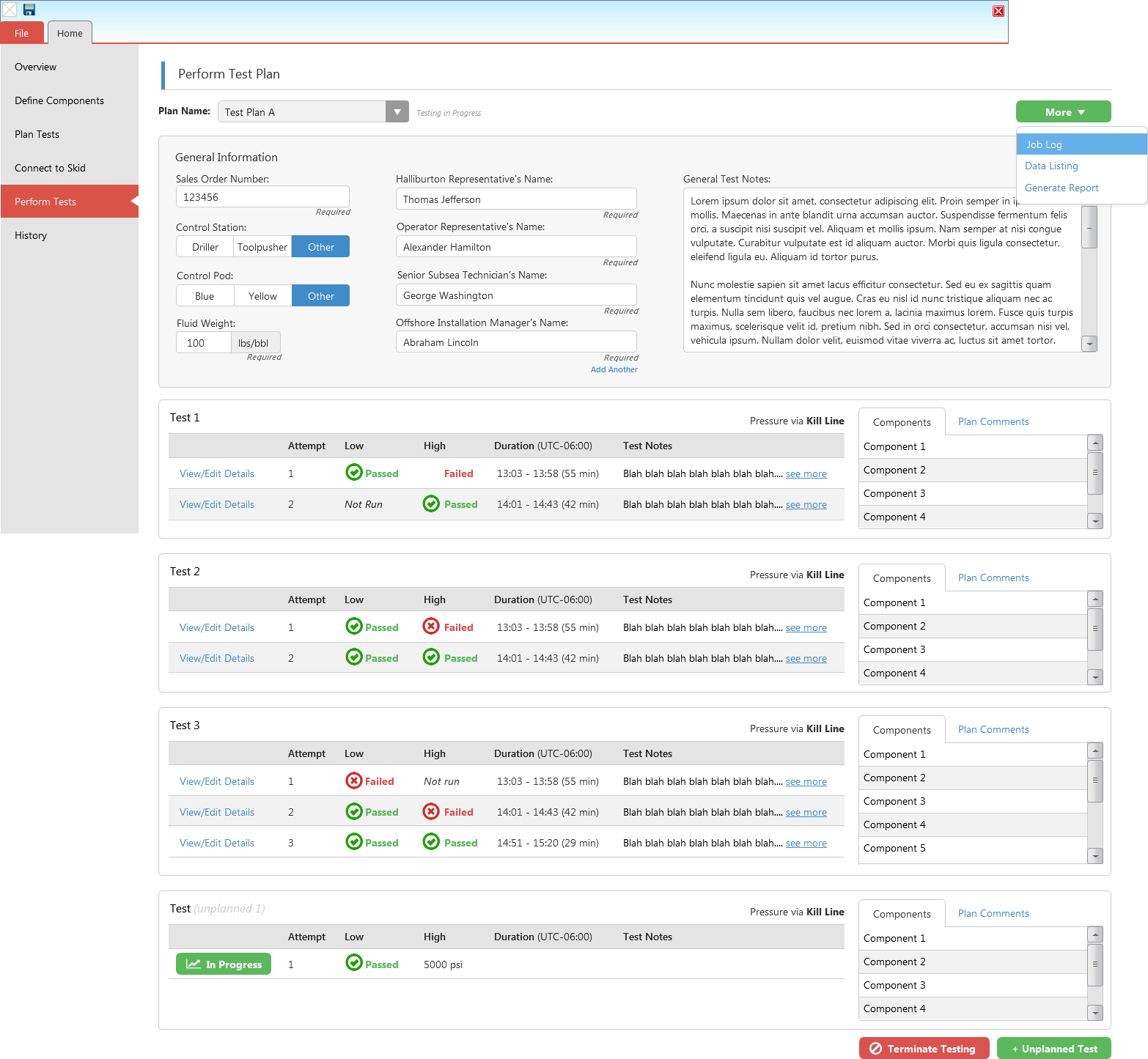
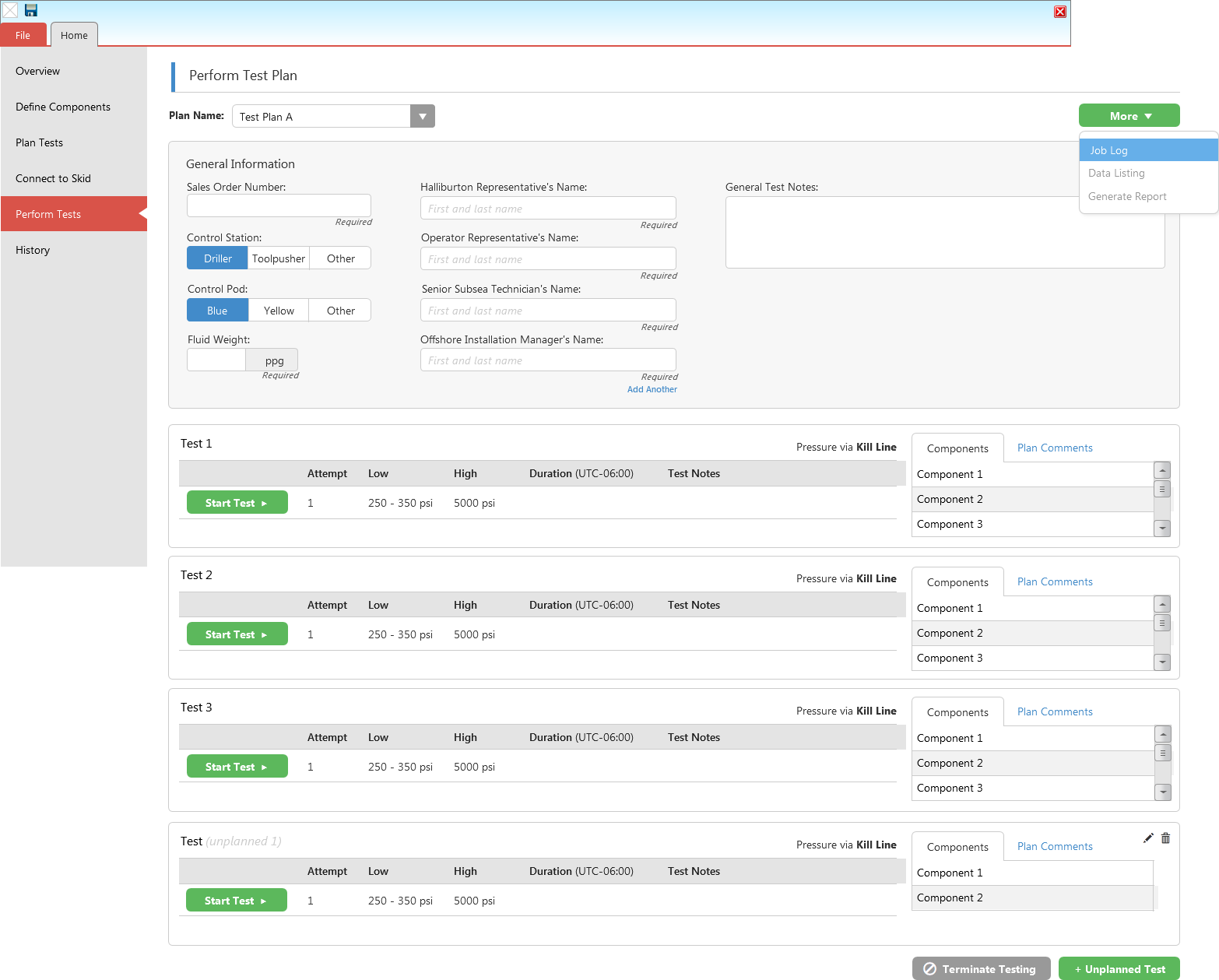
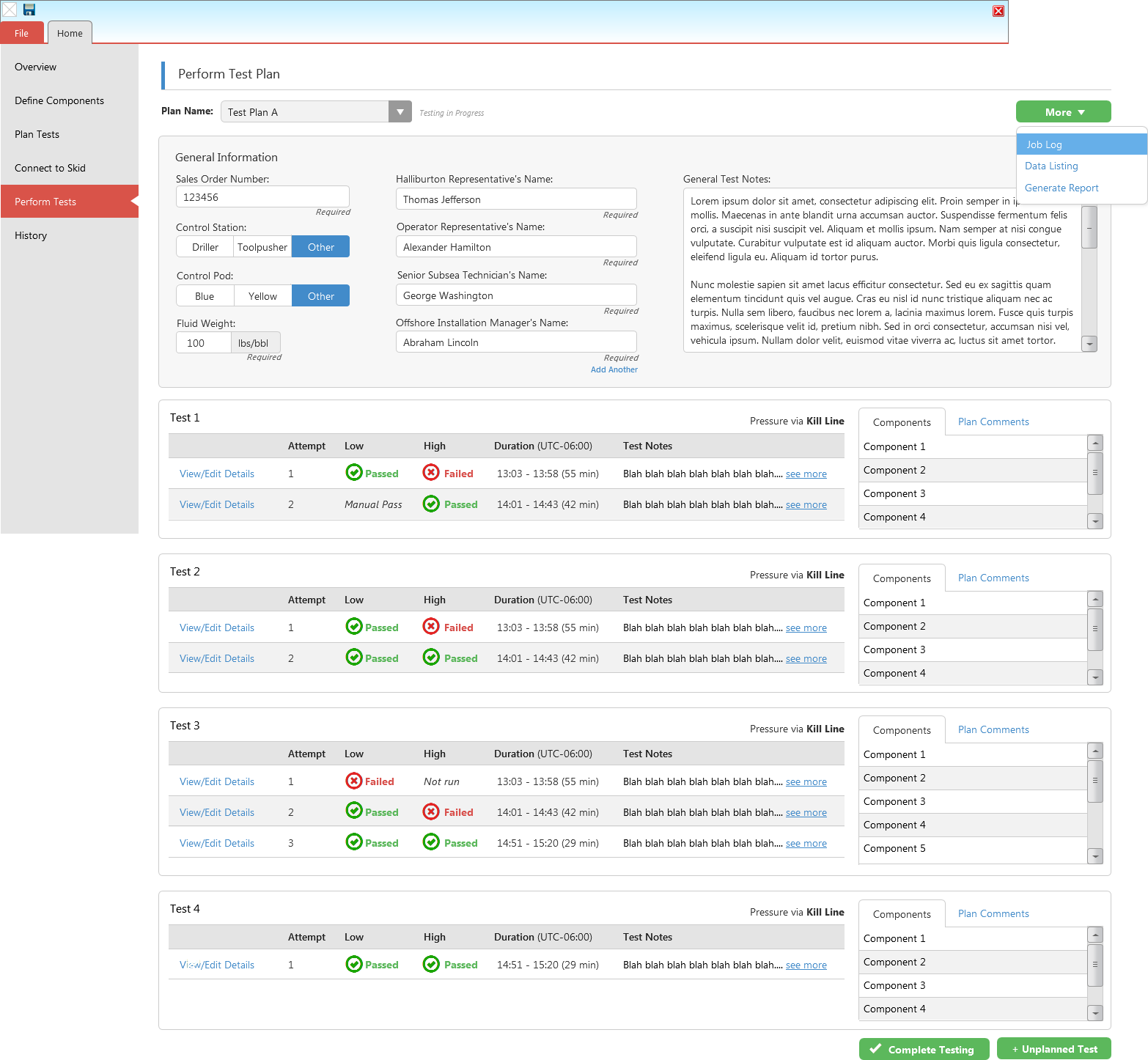
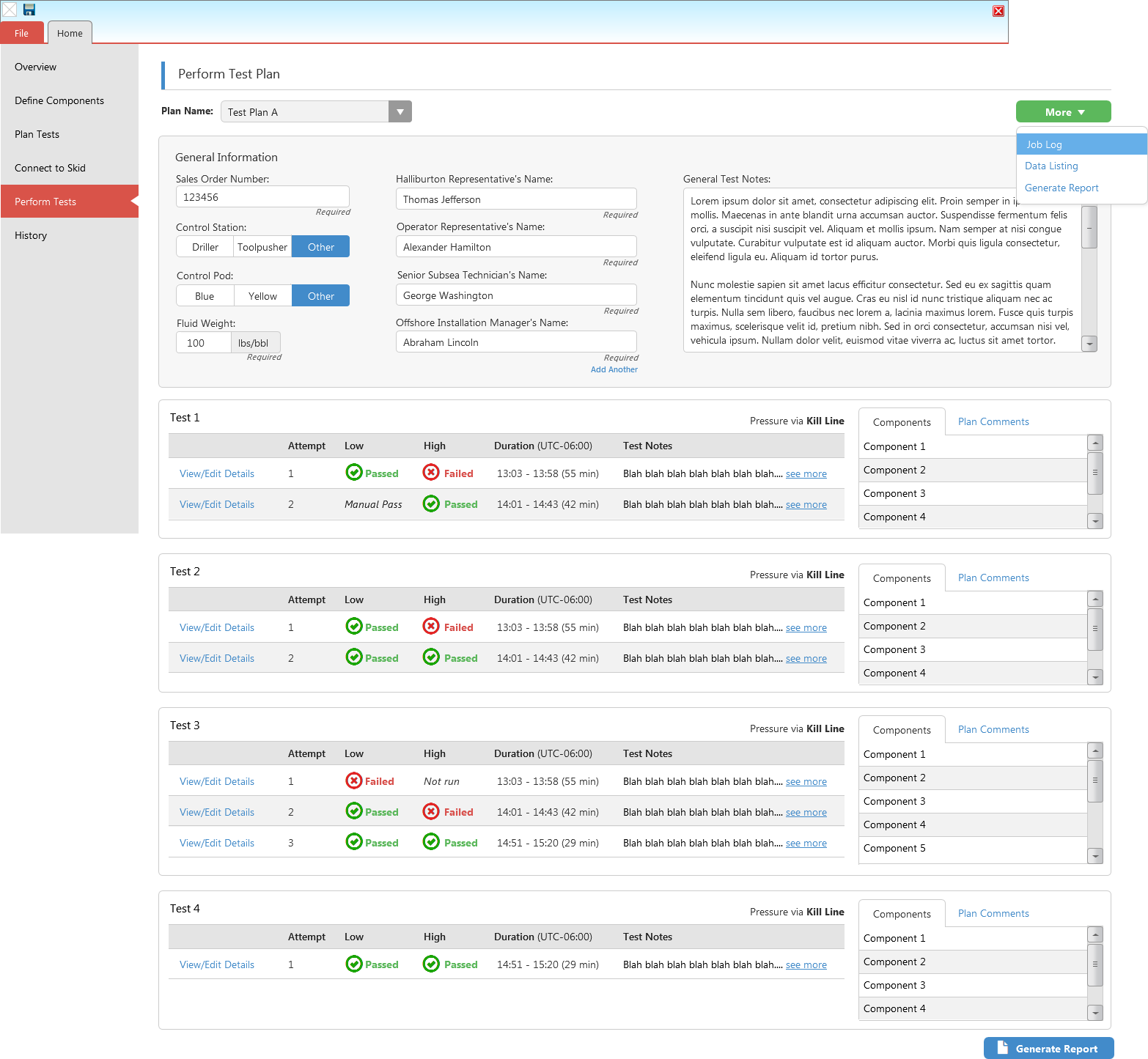
Select to see larger image.
To ensure a smooth handoff to development, a detailed functional specification document was created alongside the prototypes. This documentation outlined the intended behavior of each component, user interaction patterns, and functional requirements. It served as a guide for developers and QA teams, ensuring consistent implementation and alignment between design and build. The combination of iterative prototyping and robust documentation ensured the final product was both user-centered and technically sound.
UX skills demonstrated: wireframing, prototyping, usability testing, workflow design, stakeholder alignment, and functional specification documentation.