Oil & Gas Projects.
Over the years, I’ve had the opportunity to work with some of the largest names in the Oil & Gas industry—including Halliburton, ExxonMobil, and Phillips 66—on projects spanning upstream, midstream, and downstream operations. My work has focused on modernizing legacy systems, designing intuitive data visualizations, and creating cloud-based applications tailored to field operations. From optimizing pipeline logistics to supporting financial uplift strategies, I’ve helped teams transform complex industrial workflows into streamlined digital experiences that drive efficiency, clarity, and performance across the sector.
Updating legacy software
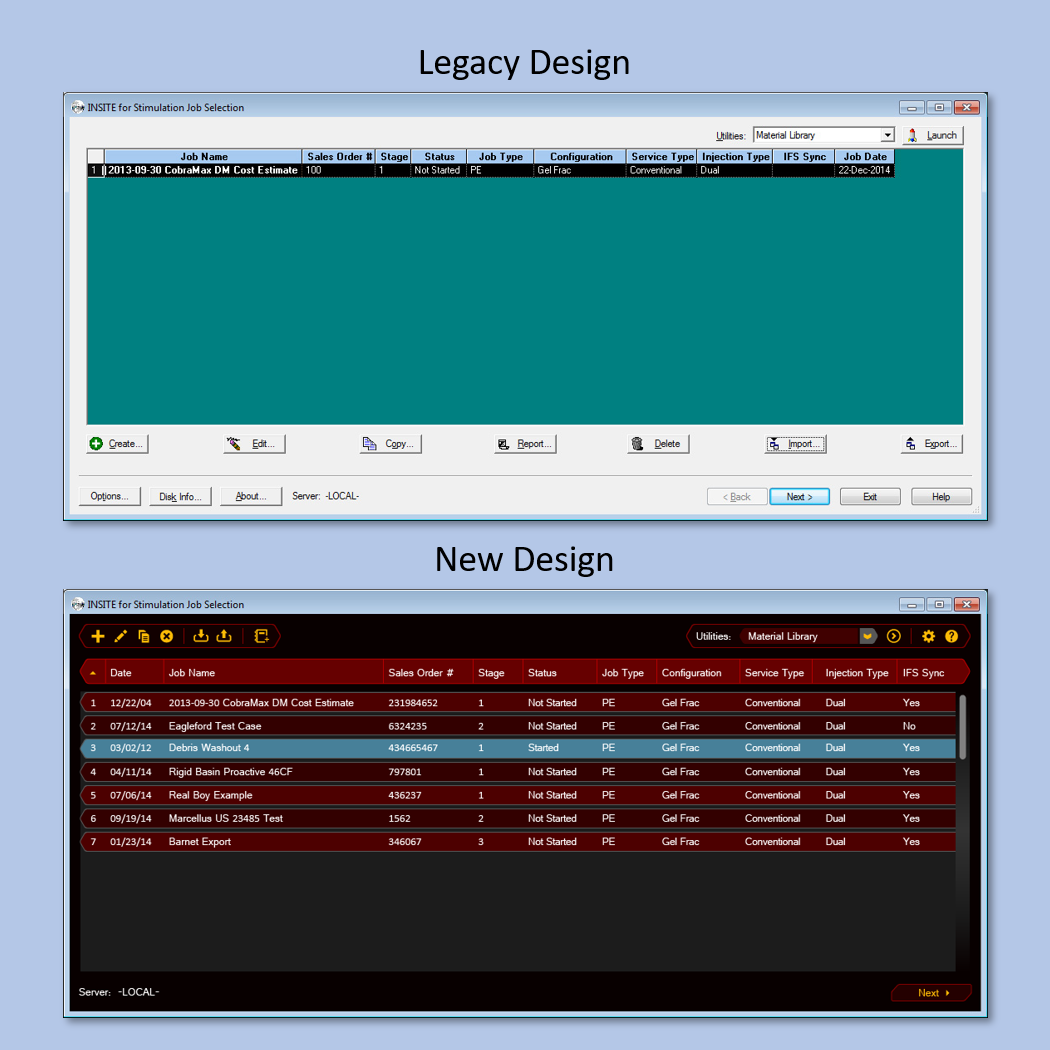
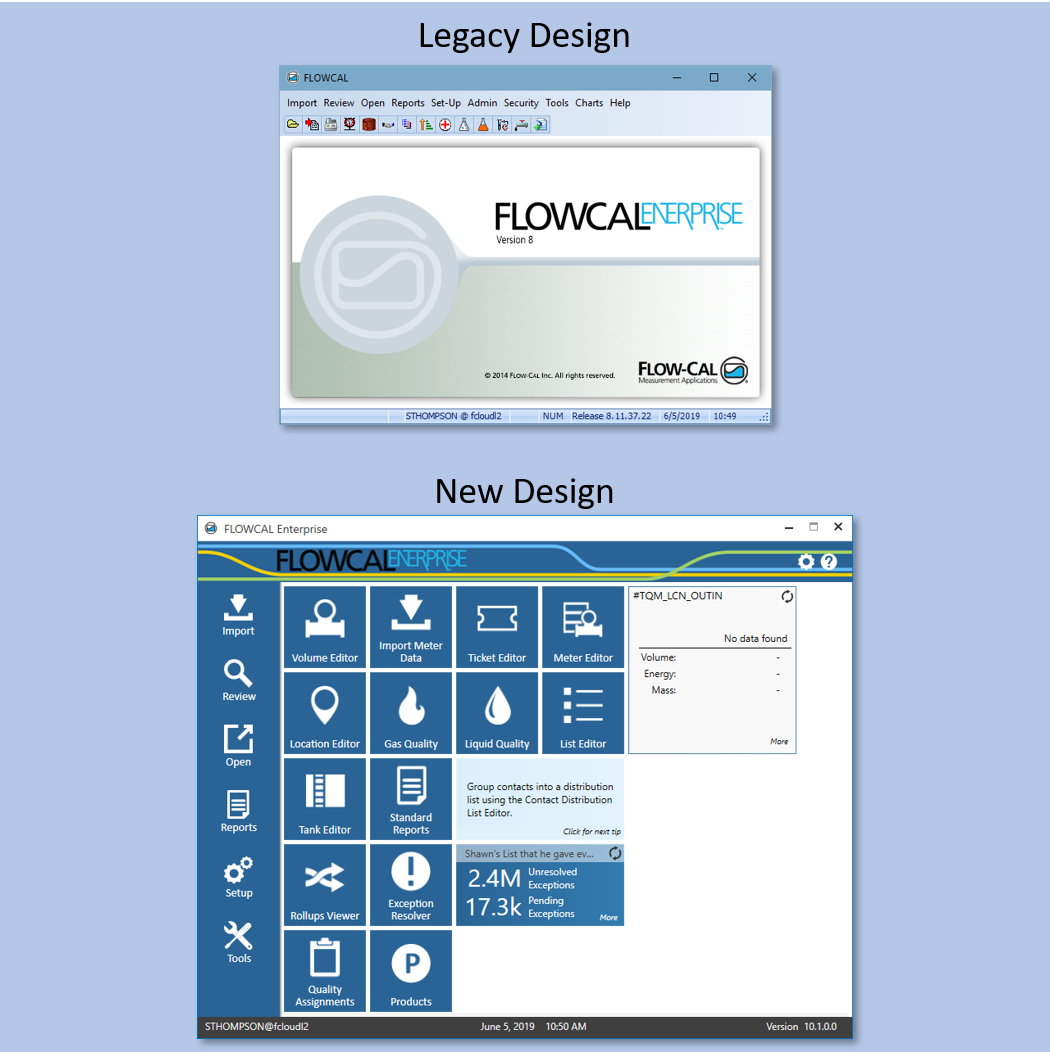
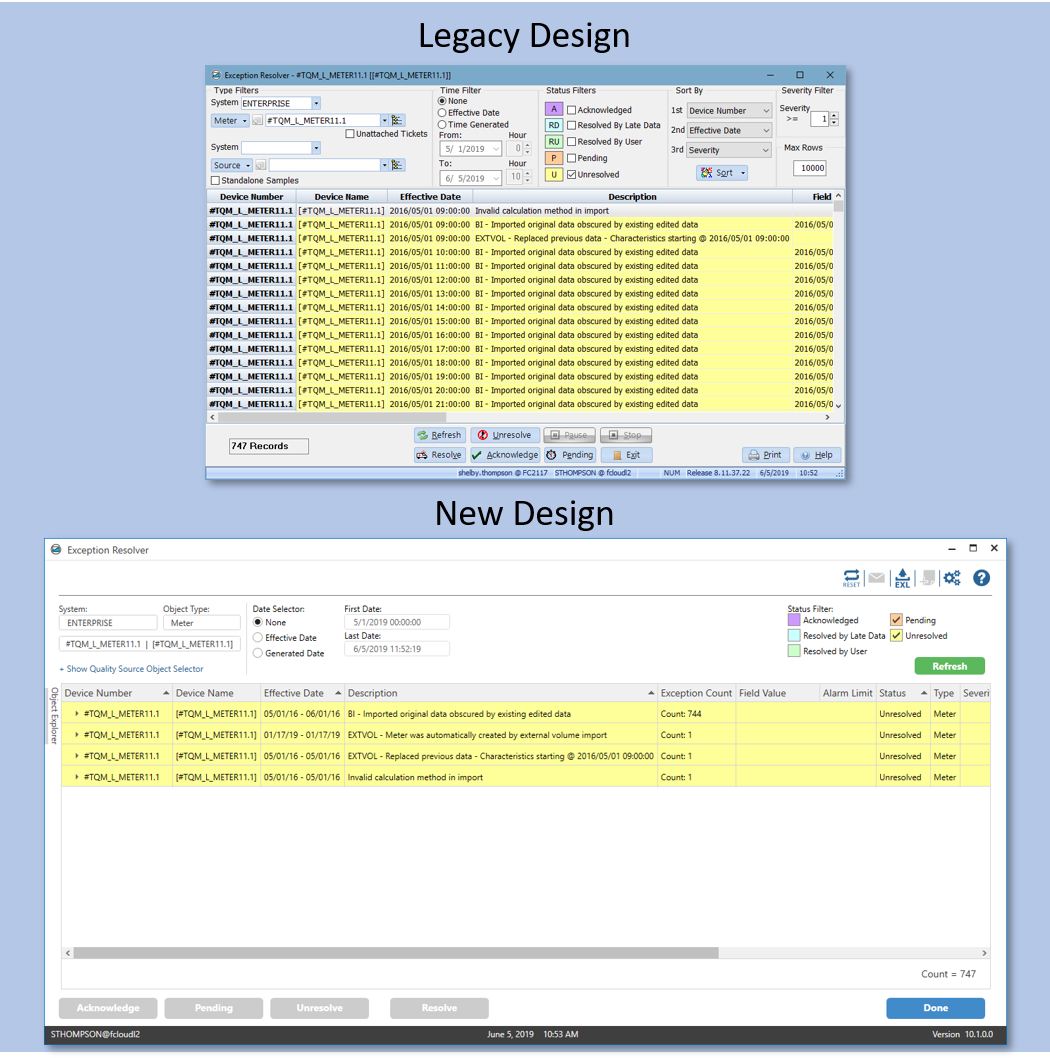
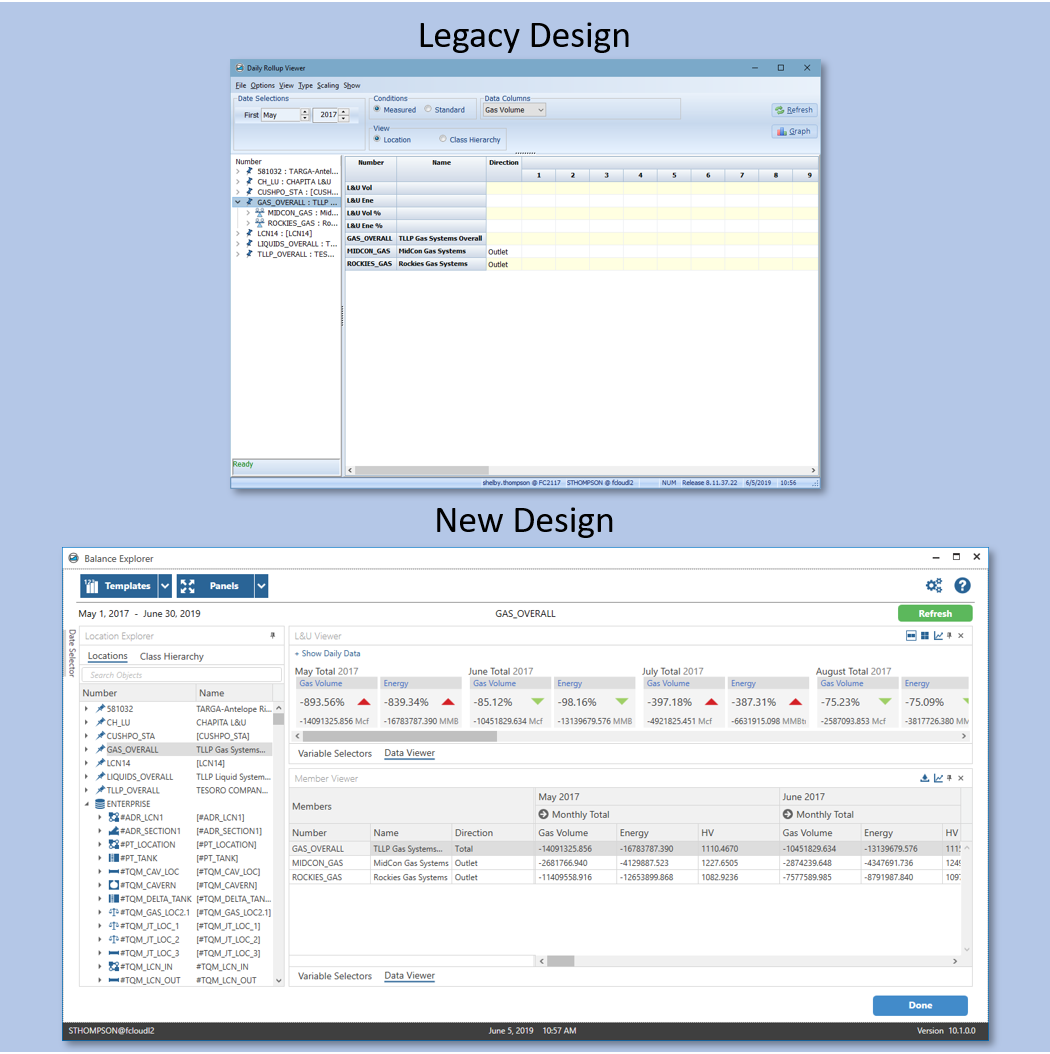
With the rise of tablets, smartphones, and cloud-based platforms, the way we design and interact with software has changed dramatically. Many long-standing companies still rely on legacy desktop applications that no longer meet modern usability or performance standards. During my time at Halliburton and FLOWCAL, I led UX research and design efforts to modernize several of these systems. My role involved reimagining outdated interfaces—some decades old—by introducing intuitive layouts, improved workflows, and responsive, visually modern UIs. Below are examples of legacy interfaces alongside the redesigned versions I created.
UX Skills Demonstrated:
Legacy System Modernization – Translated outdated, complex interfaces into user-friendly, modern applications.
UI Redesign – Created visual design systems aligned with current usability and accessibility standards.
UX Research – Conducted interviews and usability evaluations to understand user pain points and workflow needs.
Wireframing & Prototyping – Developed wireframes and interactive prototypes to test and validate design solutions.
Design System Development – Established consistent UI patterns and style guides for scalable design across applications.
Heuristic Evaluation – Identified usability issues in legacy systems and prioritized improvements based on impact.
Interaction Design – Optimized user flows to reduce friction, increase efficiency, and support mobile/responsive use.
Cross-Functional Collaboration – Worked closely with engineers, product owners, and stakeholders to ensure design feasibility and alignment with technical constraints.
Change Management Support – Helped guide internal teams through the transition from legacy to modern systems, including training and documentation support.
Research and Design Process
While each project served a different company and application, I employed a consistent user-centered design methodology throughout. The process ensured alignment with business goals, user needs, and technical feasibility:
Discovery Phase
- Conducted stakeholder interviews to understand business objectives and technical constraints.
- Engaged with end users to identify their needs, goals, and pain points.
- Audited the existing system to capture workflow bottlenecks and usability issues.
- Synthesized findings into a prioritized list of opportunities and requirements.
Define Phase
- Identified distinct user groups and roles within the system.
- Mapped out user workflows and task flows based on their responsibilities.
- Aligned workflow improvements with organizational goals.
Design Phase
- Created wireframes and low-fidelity prototypes to illustrate interface updates.
- Facilitated feedback sessions with users to gather reactions and usability insights.
- Iterated on designs based on user input and internal design critiques.
- Collaborated with development leads to ensure feasibility of proposed components and UI elements.
Development Phase
- Partnered with Business Analysts (BAs) to convert finalized designs into functional requirements.
- Worked with Project Managers to align deliverables with Agile cycles and sprint planning.
- Wrote or reviewed user stories and acceptance criteria in collaboration with QA teams.
- Maintained communication with developers to address design implementation questions.
Deployment Phase
- Supported rollout of the new system through usability monitoring and user onboarding.
- Documented user feedback and tracked adoption metrics.
- Logged unforeseen issues and coordinated enhancements or bug fixes as needed.