Data Gathering and Analysis.
At the heart of effective UX research lies the ability to gather and interpret data that reflects the real experiences, behaviors, and needs of users. Data gathering and analysis is not a one-size-fits-all process—it spans a wide spectrum of methodologies, from quantitative data such as analytics, usage metrics, and survey responses to qualitative insights gathered through interviews, contextual inquiry, and observational research.
My approach is grounded in selecting the right method for the research question and design stage. In early discovery, I often rely on qualitative techniques like stakeholder interviews and user interviews to uncover motivations, pain points, and contextual workflows. As concepts mature, quantitative tools—such as surveys, usability testing metrics, or behavioral scales—help validate hypotheses and measure performance.
Beyond raw collection, analysis is where insights emerge. I apply structured frameworks to synthesize findings, identify patterns, and translate those into actionable design decisions. Whether it’s triangulating data from multiple sources or spotting trends across personas and journey stages, my focus is always on evidence-based design that reflects the voice of the user and the needs of the business.
This section includes examples of how I’ve applied both qualitative and quantitative methods to drive design direction, validate concepts, and improve product outcomes.
Medical Procedures for the International Space Station
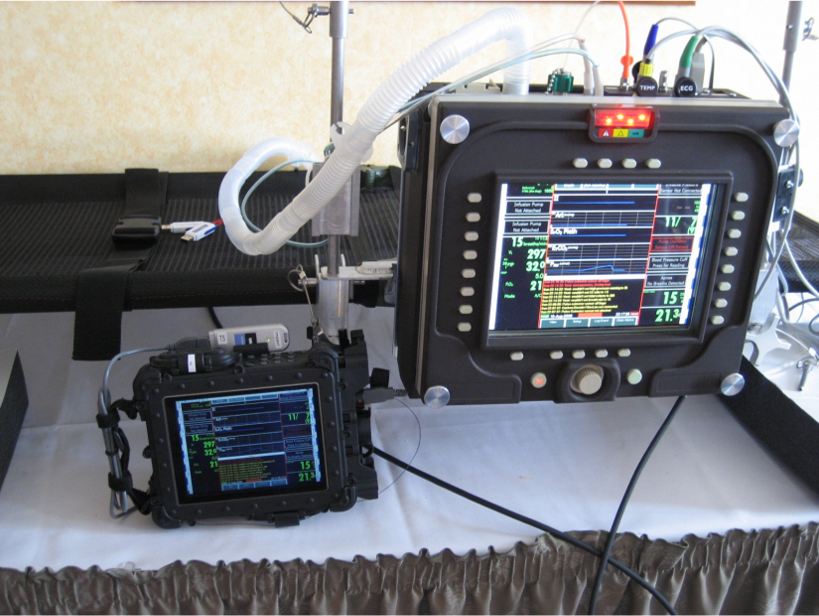
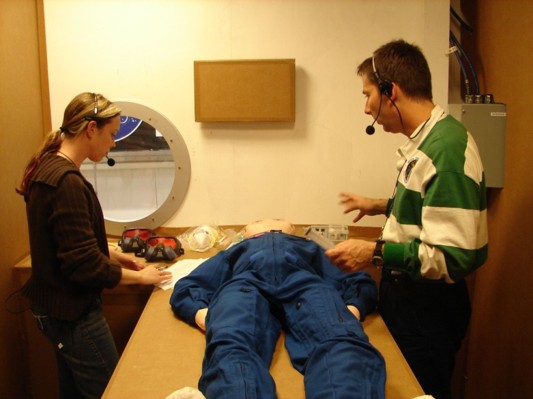
As part of a human factors research team with Lockheed Martin, I contributed to the development of medical procedures designed for use aboard the International Space Station (ISS). This effort required in-depth analysis of the unique constraints of the space environment and the operational challenges astronauts face during medical emergencies.
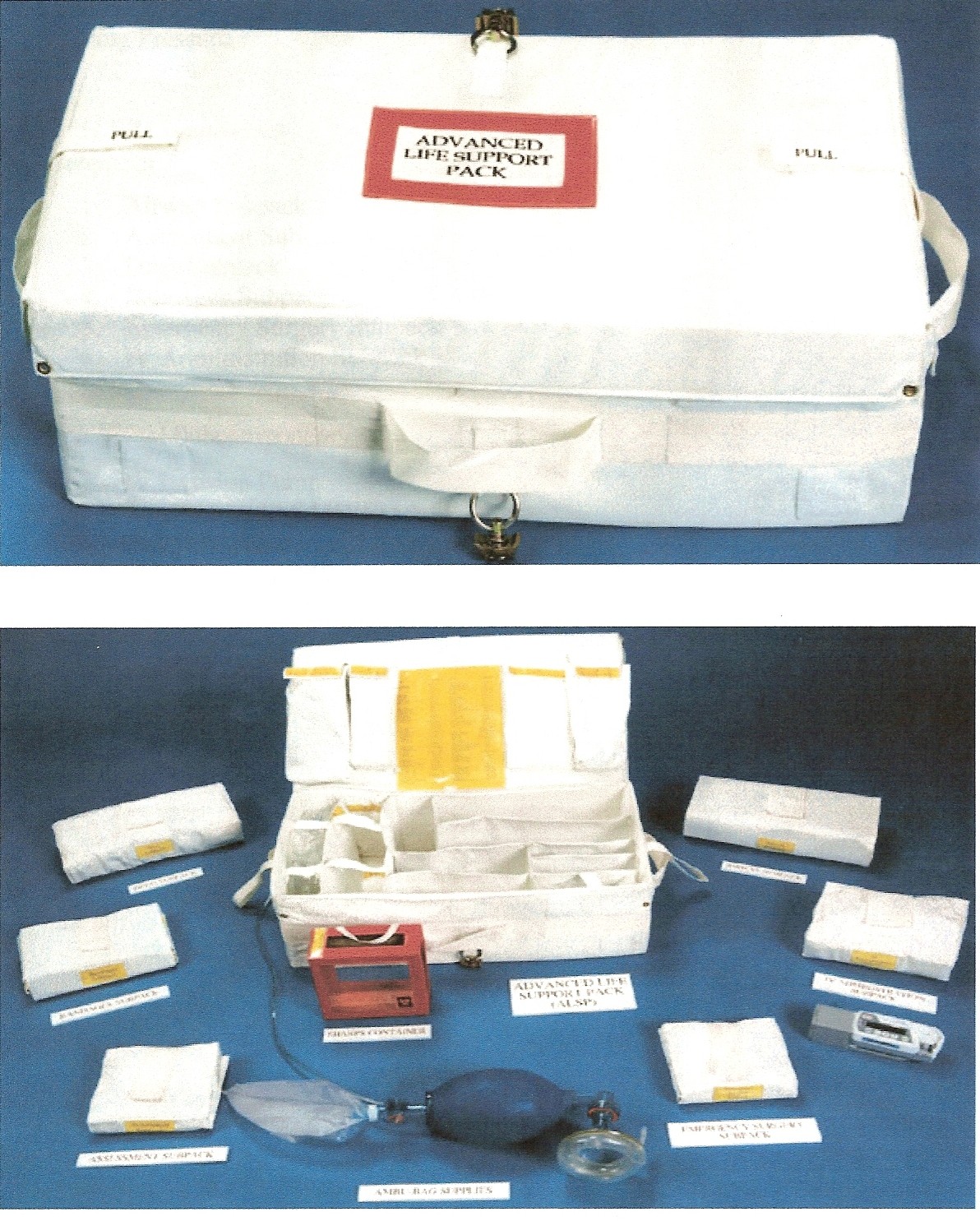
The project involved defining step-by-step protocols for various emergency scenarios—such as trauma or cardiac events—tailored to the extreme limitations of spaceflight. A key constraint was the limited equipment available aboard the ISS. Every tool or device must be justified in terms of mass, volume, and versatility. This required a detailed audit of onboard medical kits and a creative approach to multipurpose tool use. We worked closely with logistics teams to ensure that all procedures were compatible with existing resources and did not rely on equipment that was either unavailable or impractical to store.
Beyond equipment availability, our research addressed the complexities of equipment location and retrieval. All supplies on the ISS are stored in color-coded cargo transfer bags (CTBs), often across multiple modules. In emergency situations, quickly locating and accessing the right CTB can be life-saving. We performed task analyses and collaborated with inventory tracking systems to streamline access protocols, ensuring procedures began with clear guidance on locating and verifying supplies.
Perhaps the most critical factor was the zero-gravity environment, which fundamentally alters every aspect of medical care. Our team evaluated how microgravity impacts procedure steps and adjusted them accordingly, including the use of restraints and tethered tools.
This work was a deep exercise in applying user-centered design, systems thinking, and environmental analysis to create realistic, executable protocols under highly constrained conditions. It underscored the importance of context in procedural design and the value of research that anticipates edge-case scenarios to protect human life in the most unforgiving environments.
UX Research and Design – Revionics Retail Pricing Platform
As part of a major user experience initiative with Revionics, a leader in retail price optimization solutions, I conducted end-to-end UX research and design to improve the usability and effectiveness of their pricing platform. Revionics provides retailers with data-driven pricing strategies that span the full product lifecycle—from initial pricing to promotions and markdowns—helping drive both profitability and customer satisfaction.
The project required a comprehensive approach to data gathering and analysis, integrating both qualitative and quantitative methods to build a deep understanding of user needs across diverse retail roles.
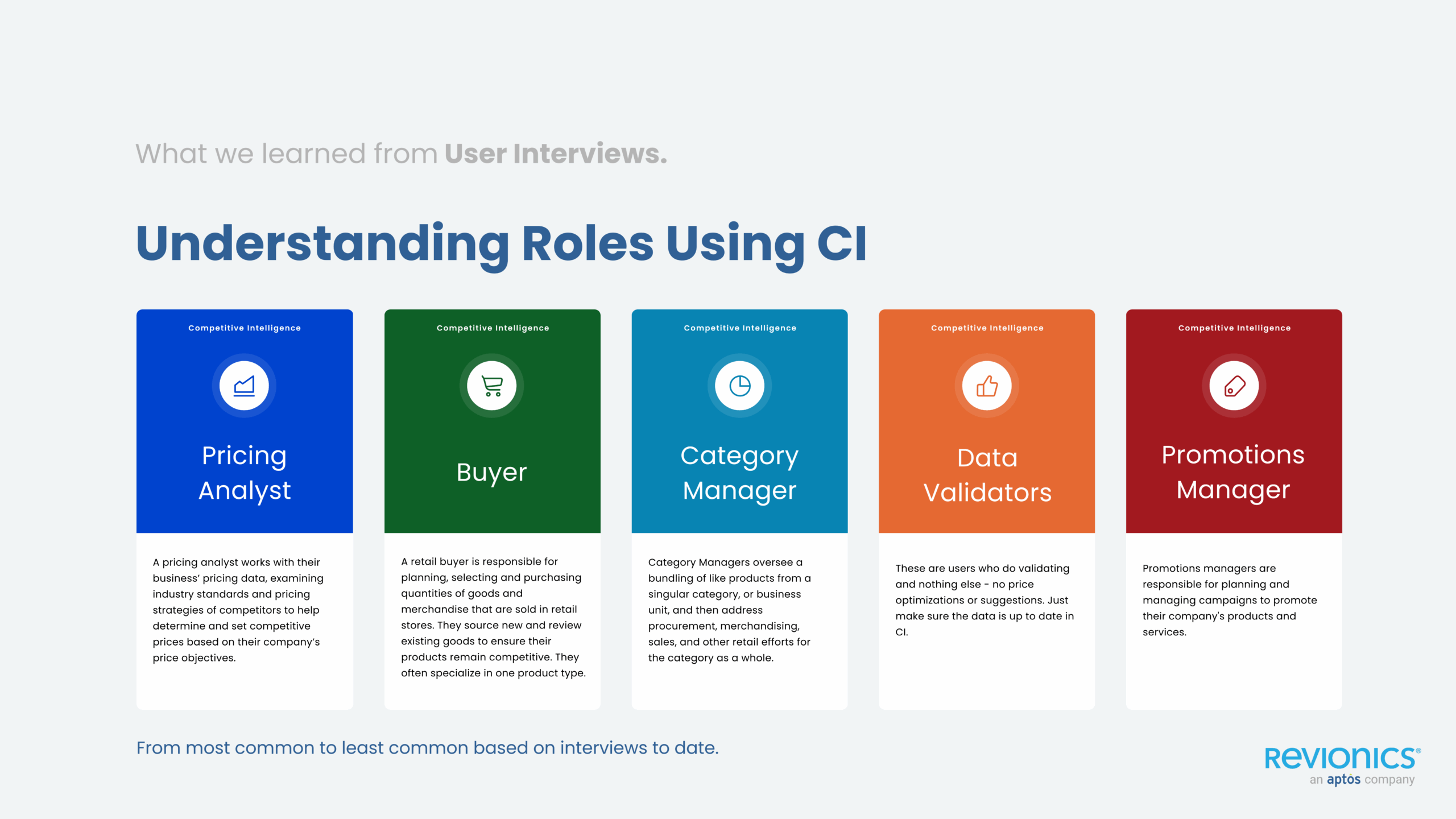
We began with a series of stakeholder and user interviews across client organizations to map out who interacts with the software, when, and why. These conversations uncovered a wide range of user roles, from pricing analysts and category managers to marketing and executive-level decision-makers—each with distinct goals and workflows.
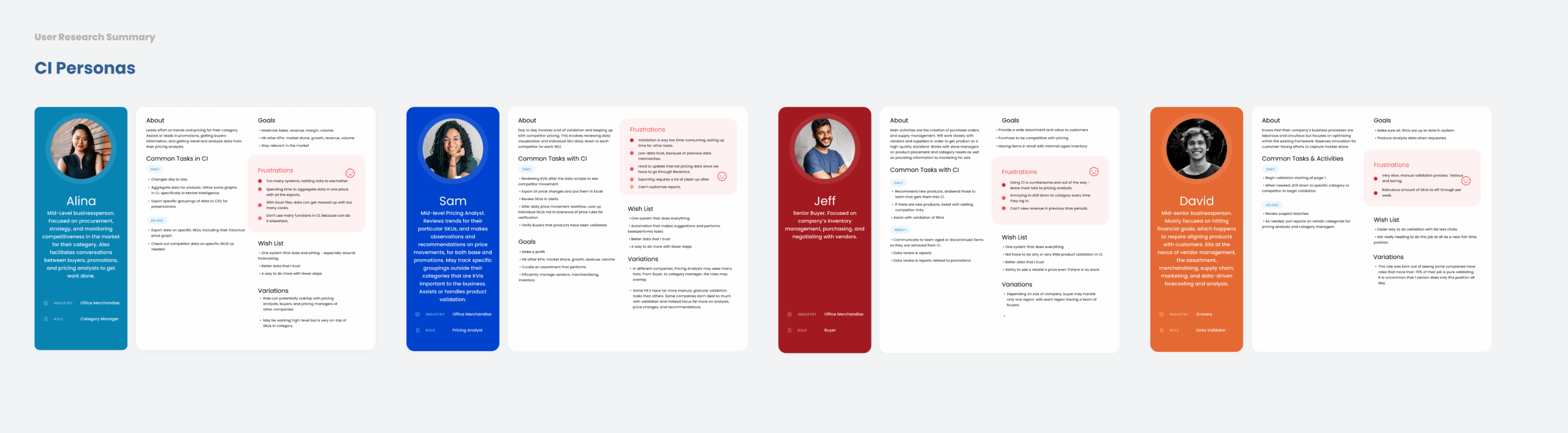
Using this insight, I developed a robust set of personas to represent the primary user groups. These personas served as a critical reference point throughout the design process, helping align cross-functional teams on user needs and ensuring that features and interfaces were tailored accordingly.
The next phase focused on wireframing and prototyping key workflows. I created low-fidelity wireframes to test user flows and interaction models, which were iteratively refined based on usability testing sessions. These tests not only provided validation for proposed designs but also revealed pain points related to data visibility, decision-making clarity, and system feedback.
Ultimately, we developed high-fidelity prototypes that demonstrated key pricing scenarios in a simplified, more intuitive interface. These prototypes were tested with real users to ensure alignment with their day-to-day tasks and decision processes.
This project showcased the power of thoughtful research and data analysis in driving user-centered enterprise software design. By grounding decisions in real user behavior and business context, we delivered a more usable, effective platform that supports smarter pricing strategies and better outcomes for both retailers and their customers.