Introducing the 5Ds: A Holistic UX Framework for Meaningful Solutions
Over the course of my 15+ years in UX research and design, I’ve worked across industries—from aerospace to healthcare to e-commerce—and led cross-functional teams through complex product lifecycles. Through that experience, I’ve developed a streamlined, repeatable approach I call The 5Ds: Discover, Define, Design, Develop, and Deploy. This framework blends proven UX methodologies with the flexibility needed to meet the realities of product teams, organizational goals, and evolving customer needs.
While each “D” draws from established UX practices, together they form a holistic system that ensures user-centered solutions from concept to delivery—and beyond.
Goal: Understand the problem space and uncover user needs.
This is the exploratory phase where we gather qualitative and quantitative data to ground our decisions in evidence—not assumptions.
Key Tasks:
Stakeholder interviews
Competitive benchmarking
Ethnographic field studies
User interviews and surveys
Heuristic evaluations
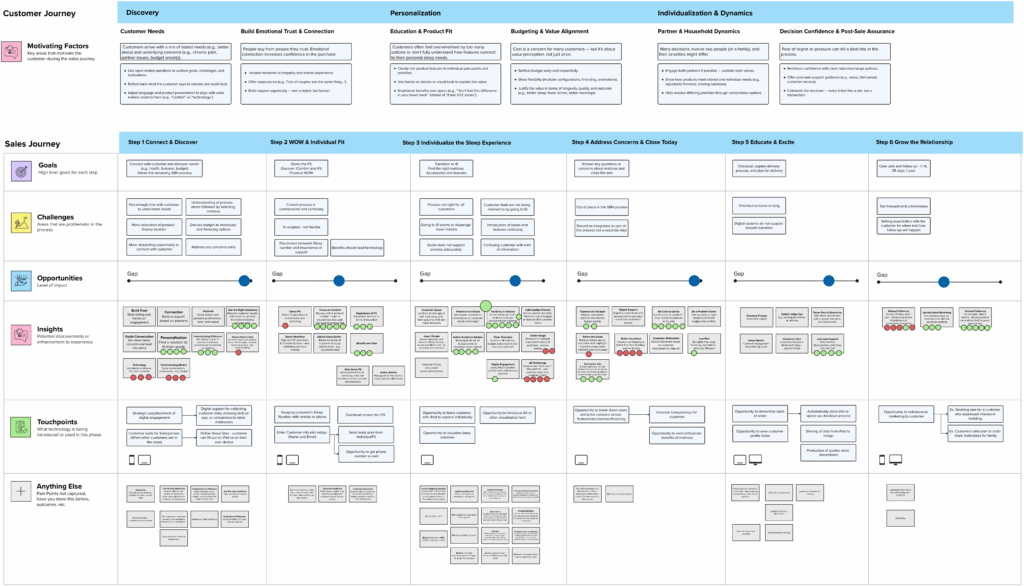
Journey mapping workshops
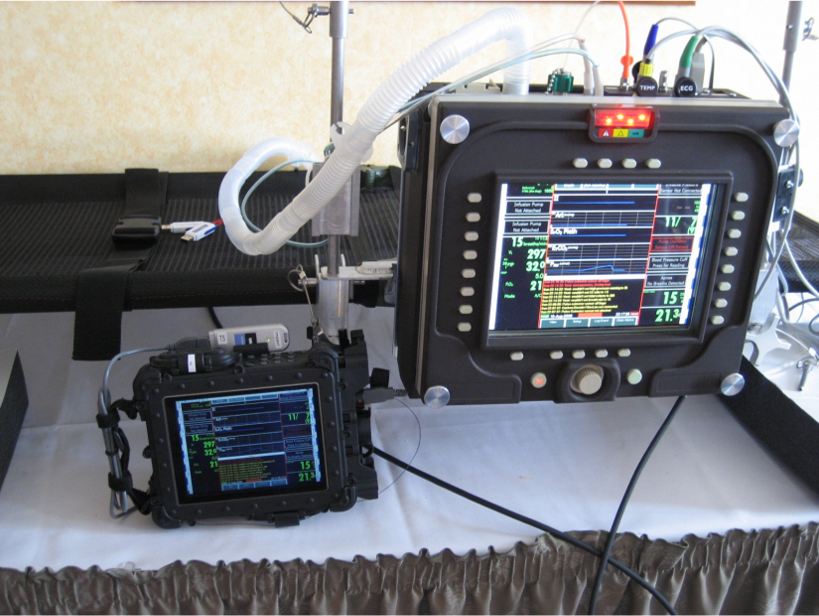
Example: On a medical software redesign for the International Space Station, we conducted contextual inquiries with SMEs to observe how they chart patient data — uncovering key moments of decision-making.
Goal: Synthesize research into clear problem statements and actionable insights.
Here, we make sense of the data gathered—identifying patterns, surfacing opportunities, and aligning stakeholders around the core challenges.
Key Tasks:
Affinity mapping
Persona creation
Journey mapping
Problem framing
Jobs-to-be-Done articulation
Example: For an e-commerce personalization tool, we synthesized research into three personas based on shopping behaviors, helping the team prioritize recommendation features that matched real user goals.
Goal: Translate insights into conceptual and tangible design solutions.
This is where ideation and visualization begin. We explore multiple possibilities, prototype quickly, and validate early.
Key Tasks:
Sketching and wireframing
Collaborative design testing
Information architecture
Low- and mid-fidelity prototyping
Usability testing with users
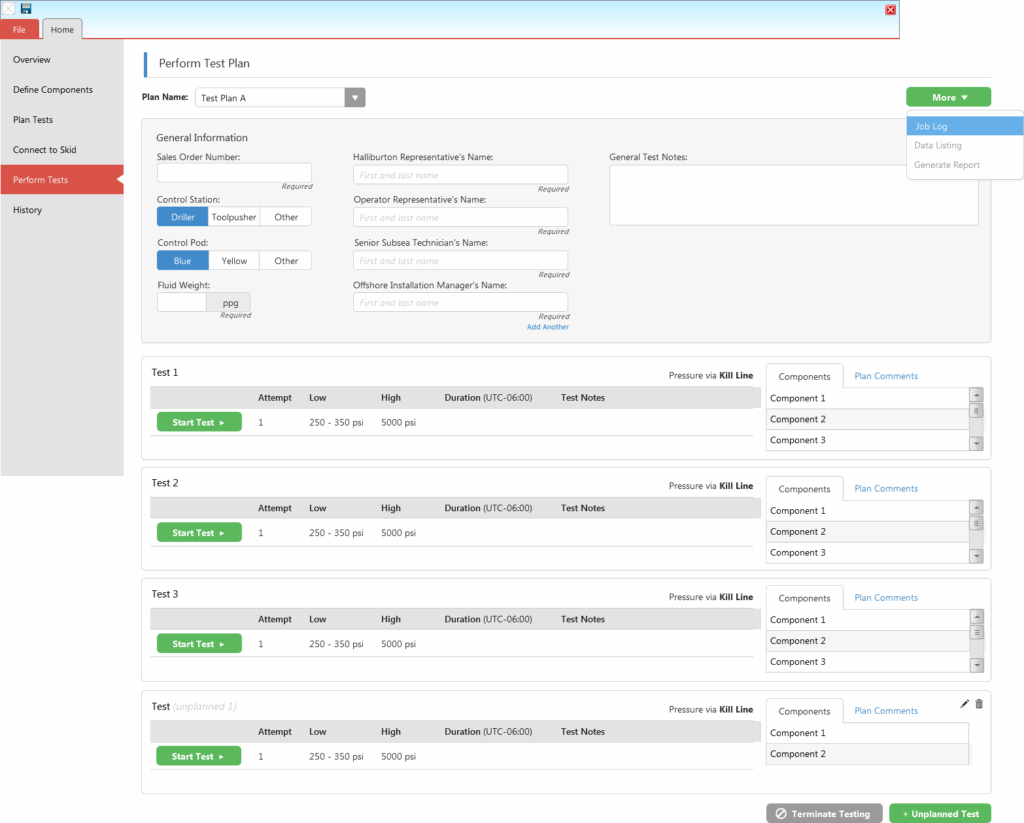
Example: For a oil and gas app, we ran several iterative design sessions with stakeholders create a new dashboard, followed by first-click testing to refine layout choices.
Goal: Collaborate with engineering to bring the design to life, with UX quality intact.
During this phase, UX is deeply embedded with development. We act as advocates for the user and ensure fidelity to the design intent.
Key Tasks:
Design QA and reviews
Front-end development collaboration
Accessibility audits
Continuous usability testing
Updating design systems or component libraries
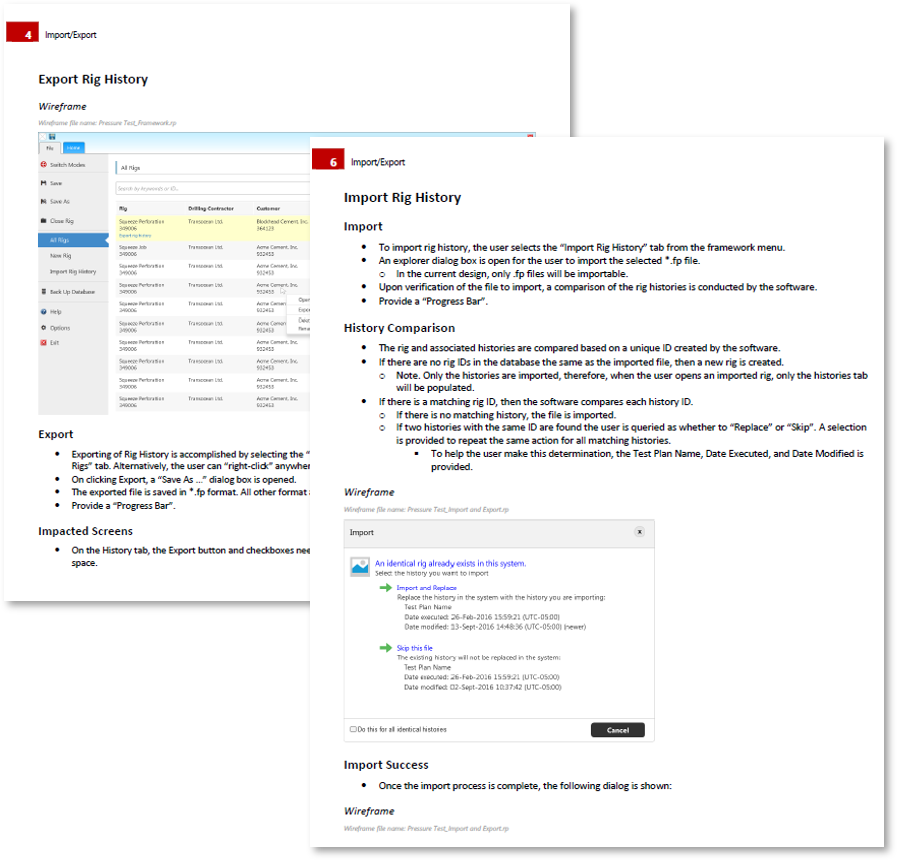
Example: Working alongside front-end developers, we ensured the responsive behavior of an internal scheduling tool matched real usage patterns observed in field research.
Goal: Launch, measure, and learn—ensuring the solution performs in the real world.
This final phase ensures the product doesn’t just ship—but succeeds. We focus on post-launch feedback, usage data, and iteration strategies.
Key Tasks:
A/B testing and experimentation
Analytics review and dashboarding
Post-launch interviews
Continuous improvement planning
Design retrospectives
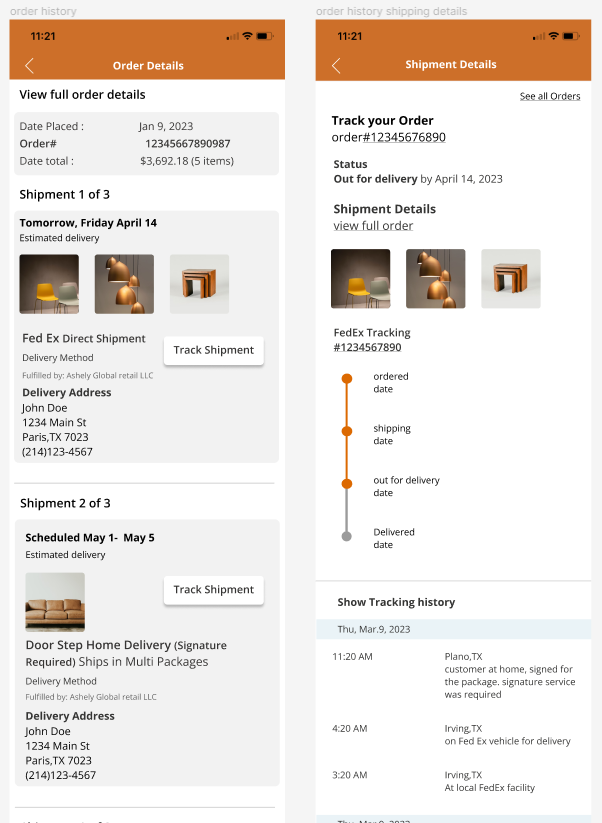
Example: After deploying a new delivery tracking flow, we tracked task completion rates and ran surveys with customer care to uncover usability gaps, feeding directly into the next sprint.