UX Research and Design Lifecycle.
I bring a comprehensive understanding of the full UX research and design lifecycle, from initial discovery through to final implementation and testing. My experience spans every phase—conducting stakeholder workshops, user interviews, and field studies to uncover insights; translating those insights into wireframes, prototypes, and high-fidelity designs; and validating solutions through usability testing and iterative refinement. Whether leading end-to-end efforts or contributing to specific phases, I ensure that every decision is grounded in user needs, aligned with business goals, and executed with clarity and precision.
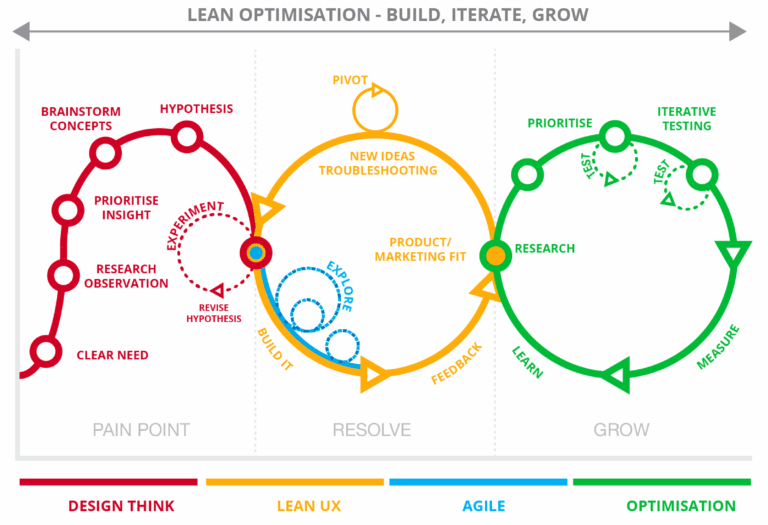
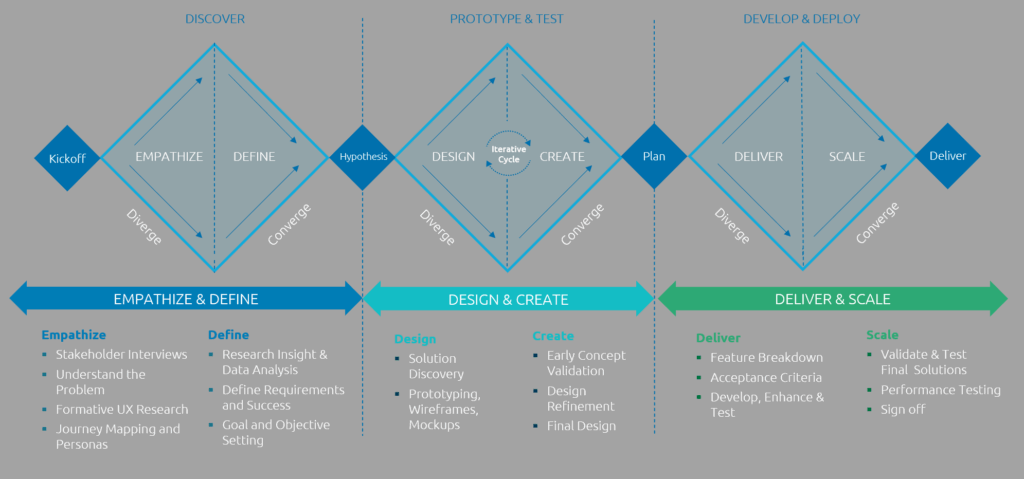
With over 15 years of experience in UX research and design, I bring a seasoned and strategic approach to solving complex user problems and creating intuitive digital experiences. I anchor my process in the Triple Diamond framework—a methodology that emphasizes cycles of discovery, definition, development, and delivery. This approach ensures that every solution is deeply rooted in user needs, stakeholder goals, and technical feasibility.
In the first diamond—Discover—I lead generative research efforts such as stakeholder interviews, user interviews, contextual inquiries, and competitive audits. This stage is about divergence: understanding the full landscape of user pain points, business objectives, and environmental constraints. I’m particularly skilled at bringing cross-functional teams into this phase early to align on research goals and establish shared empathy for our users.
The second diamond—Prototype and Test—is where insights take shape. I analyze research findings using affinity mapping, journey mapping, and thematic synthesis to clearly articulate user needs, personas, and opportunities. I facilitate workshops to co-create problem statements and prioritize design hypotheses. This collaborative synthesis ensures that design efforts remain strategically focused and backed by evidence.
The third diamond—Develop and Deliver—focuses on iterative design and validation. I work hand-in-hand with product designers, developers, and stakeholders to prototype solutions, conduct usability testing, and refine interactions. I’m experienced in building and extending design systems that promote consistency and scalability. As a strong communicator, I regularly present research insights and design recommendations to stakeholders in a way that is clear, actionable, and aligned to business outcomes.
Throughout the process, I act as a bridge between disciplines—translating user insights into strategic decisions, advocating for accessibility and inclusion, and ensuring that the final product meets both user expectations and organizational goals. Whether leading discovery or supporting deployment, I’m adept at guiding cross-functional teams through ambiguity with a clear process and a human-centered mindset.
Defining the UX Process
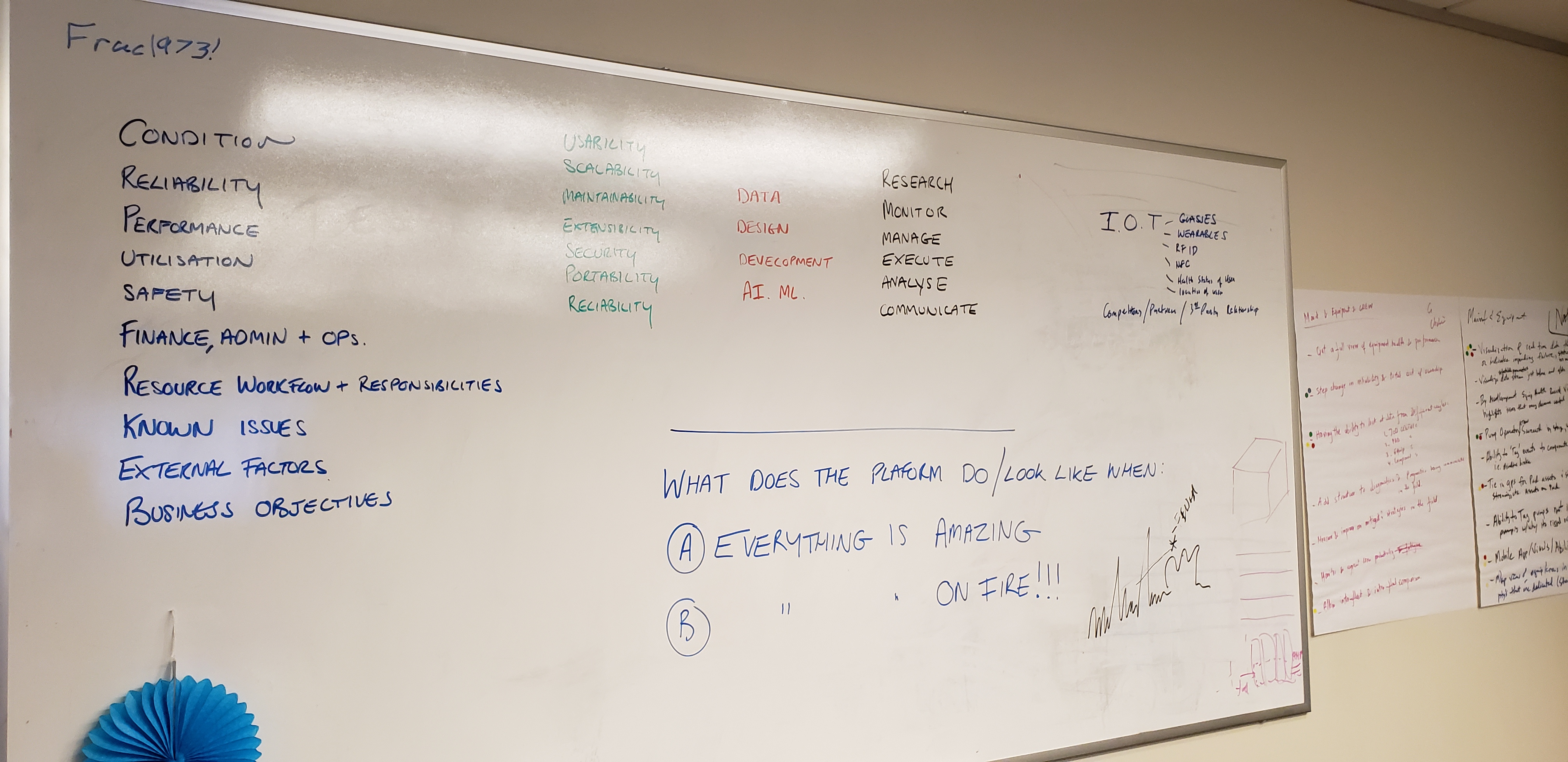
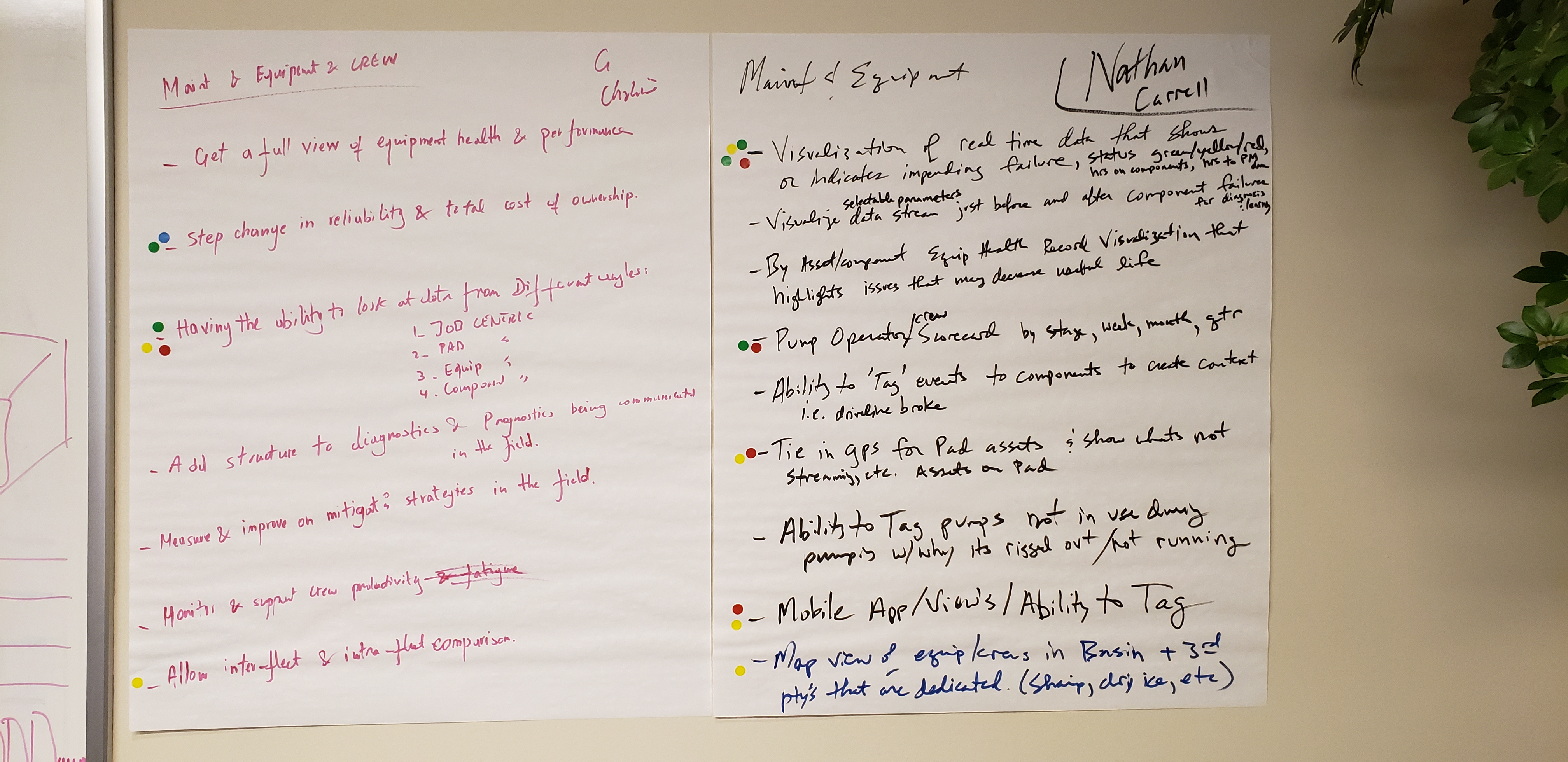
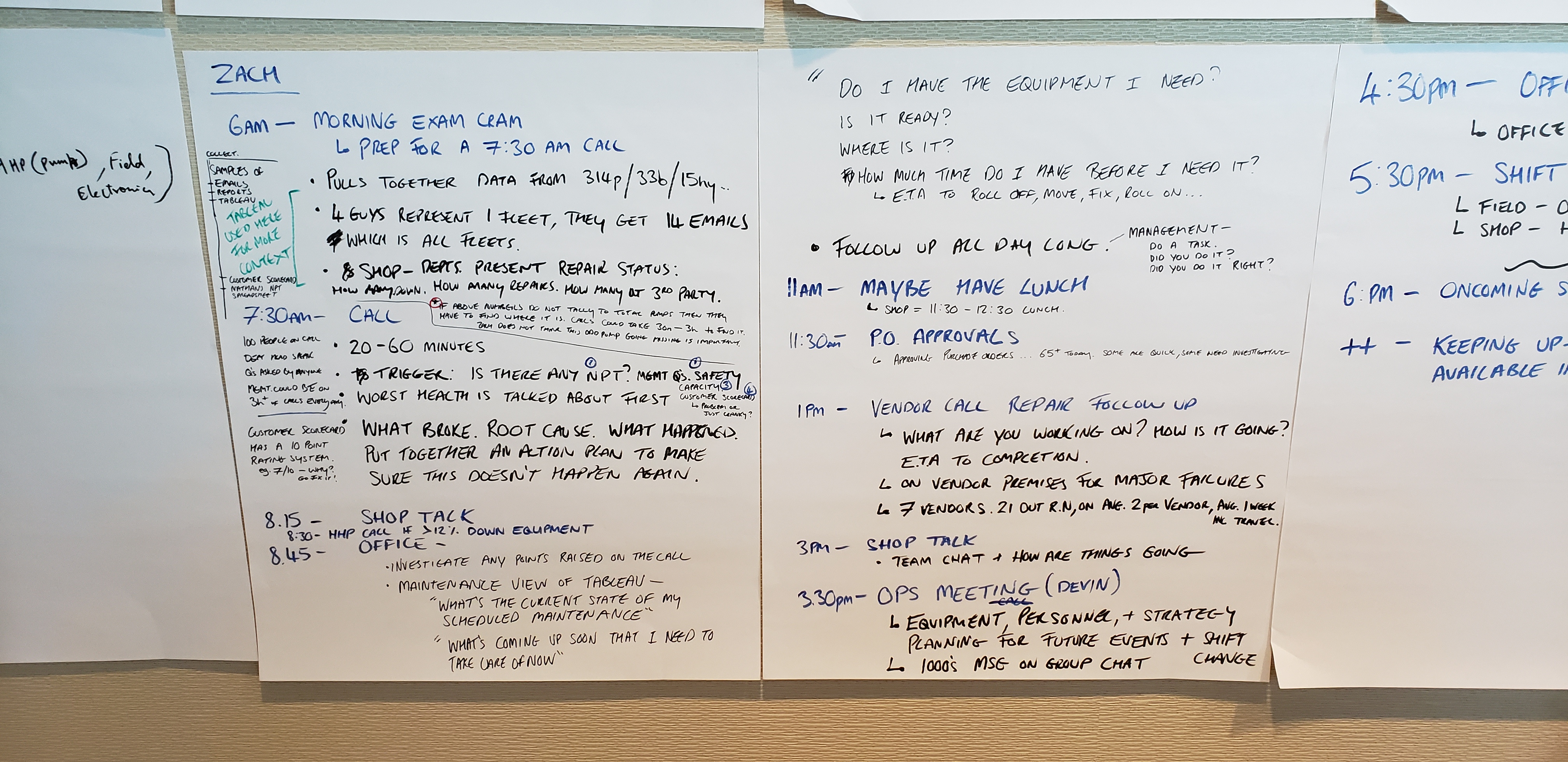
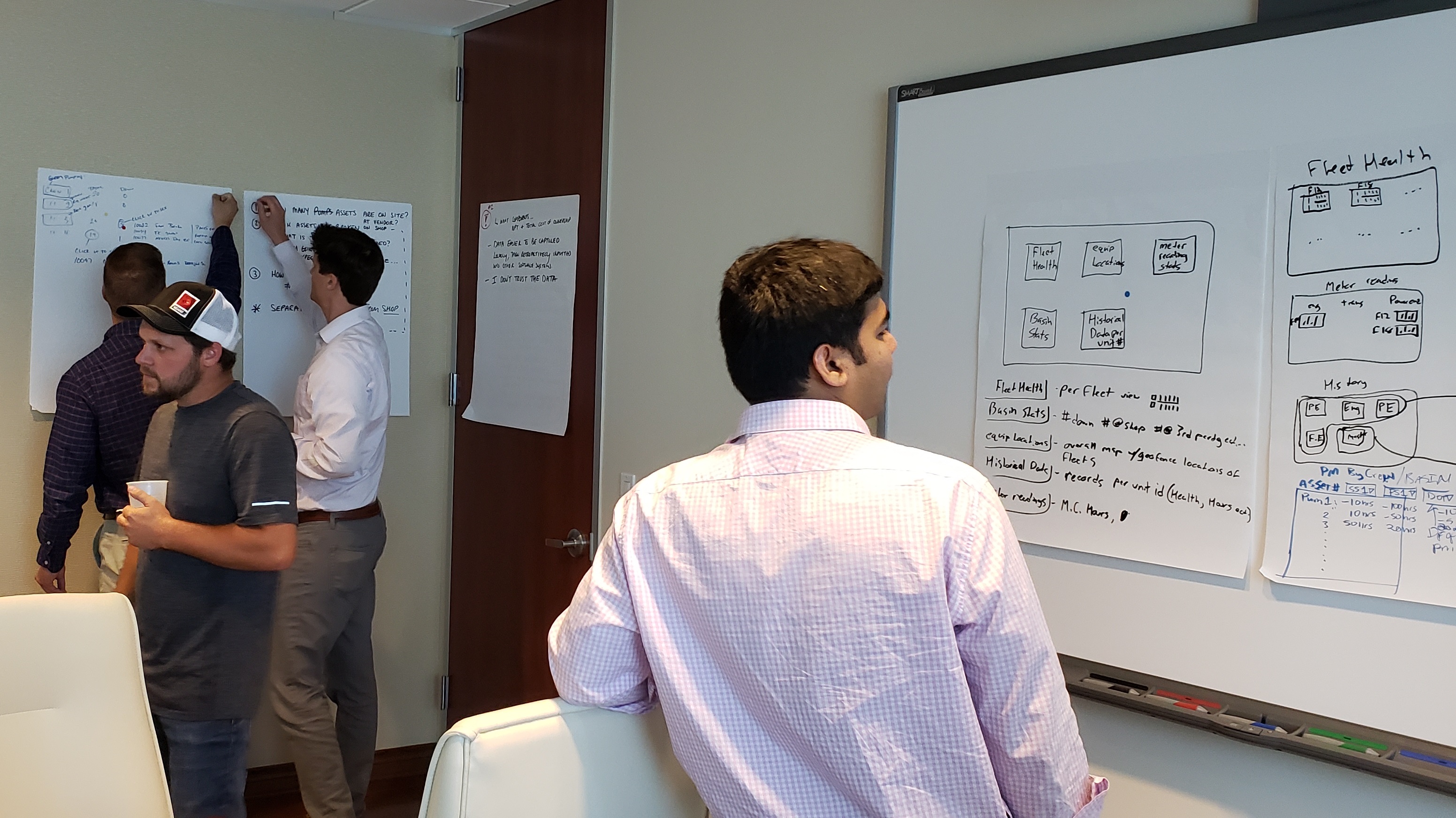
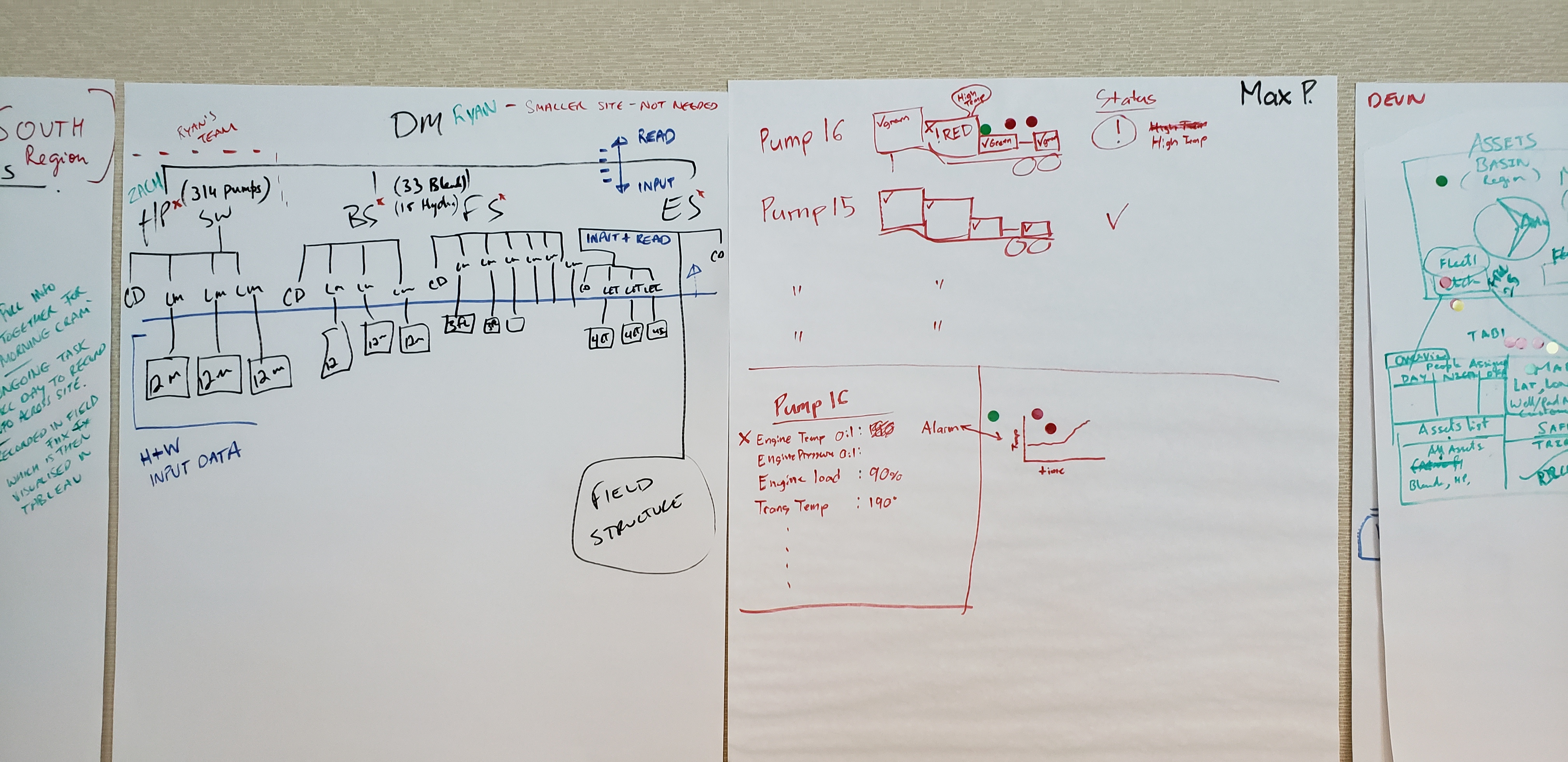
Customer Workshops and Interviews
Meetings with the customer to understand their needs for the product helps to develop requirements for the software application. These requirements will drive the entire design process. With workshops and interviews, we can understand the platform (e.g., desktop, mobile), the needs and pain points of the customer, and build a foundation for initial designs.
Persona and User Journey Development
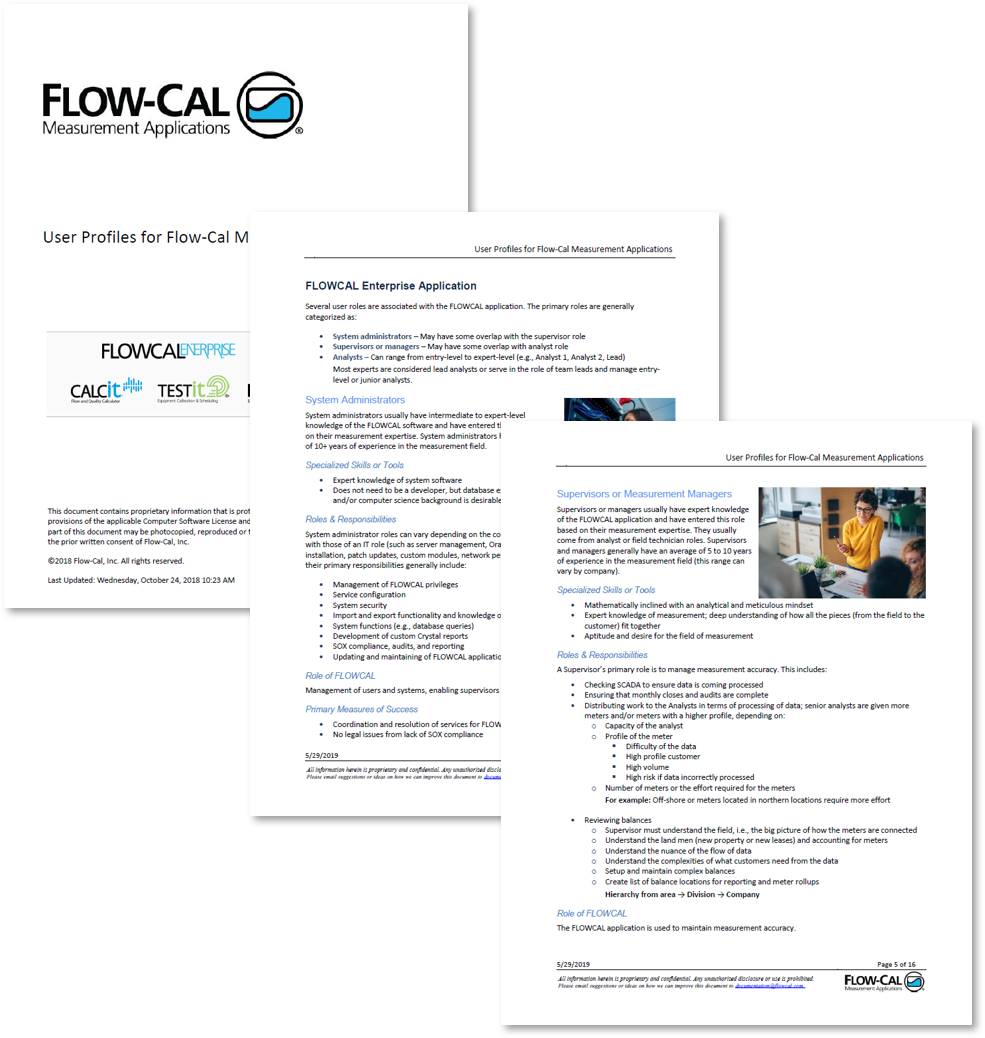
In order to create exceptional products, it is important to understand your users. Personas help in not only identifying the users, but also their personality, motivations, expectations, and goals. I do deviate some from the traditional persona, in which I try to create more of a journey map versus a fictitious person that represents a user population. Below is an example of several personas.
Wireframes
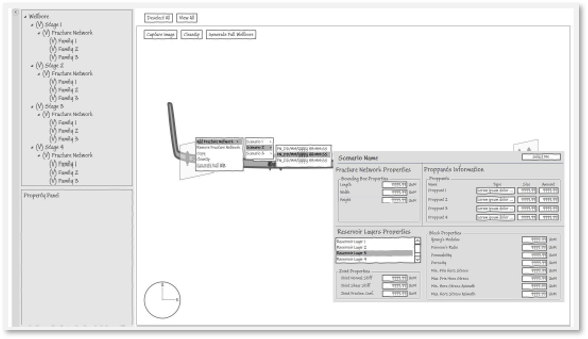
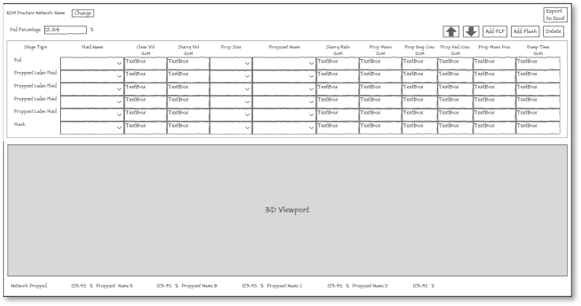
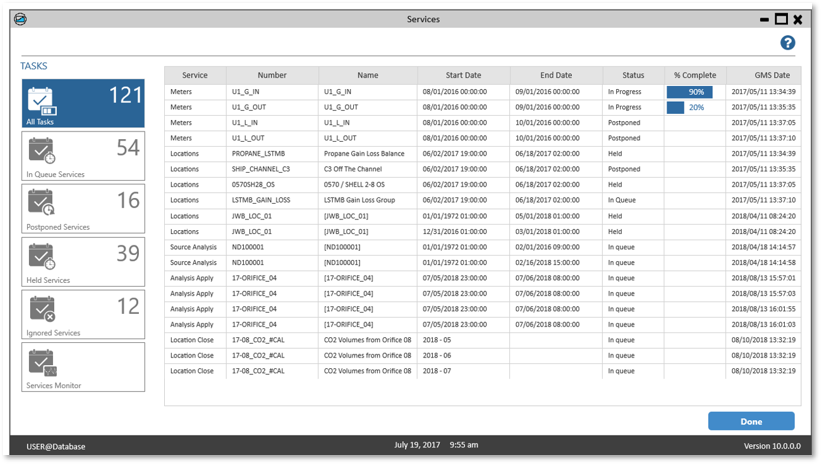
Depending on the circumstance, I may use pen and paper to create some wireframes for discussion with SMEs or users, but most often I will create a low-fidelity mockup to illustrate my ideas. Over the years, I have gotten just as comfortable (and fast) creating a mockup as I would a wireframe. Also, in some cases, wireframes tend to elicit more questions from users, than the answers we are trying to gather by using the wireframe. Here are a few examples using Visual Studio Sketch and Axure.
Design Process
Something I strongly advocate for is the Design Process. I always say that design is not the first step to design. Usually, the first step in design is to understand the customer (persona) and develop interface requirements. Design requirements should entail the needs of the user and business in terms of the interface, application, or feature. These requirements should lead to the first draft, mockup, or wireframe. Requirements are usually gathered through interviews with the user and business SMEs (or Product Owner).
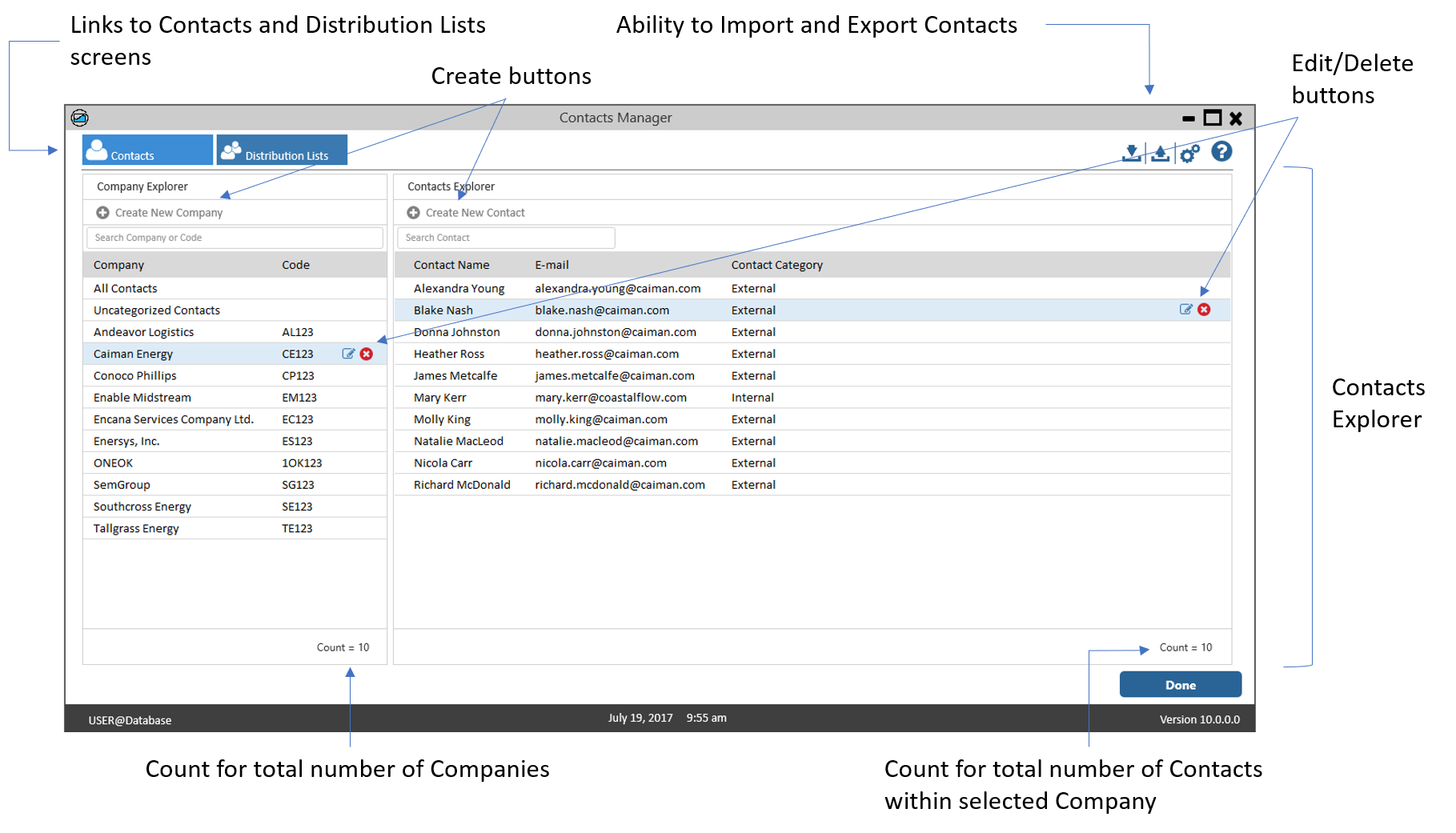
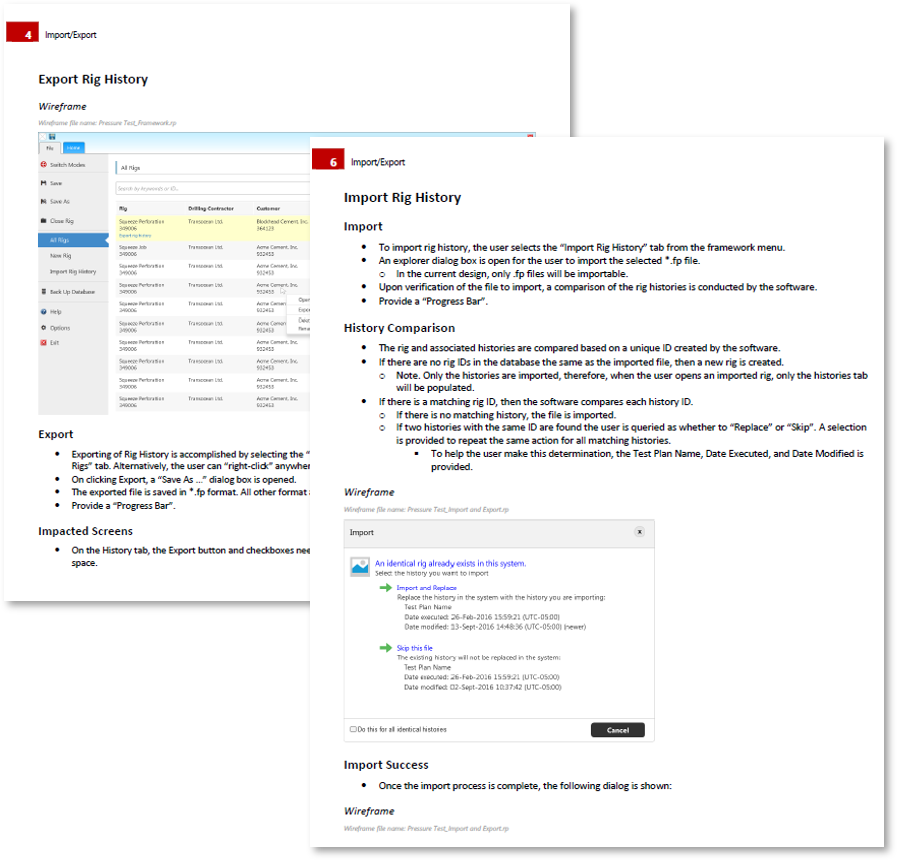
Once the wireframe or low-fidelity mockup is created, feedback is gathered from users or SMEs. This is usually an iterative process that could encompass multiple meetings and design refinements. One thing that I do that is not mentioned or taught is to create a design document. This document shows the design and outlines all funcationality that can be used by the BA to make sure all requirements are met, the DEV team to develop from, and QA to write tests. Below is an example of a design document.
Final Design Examples
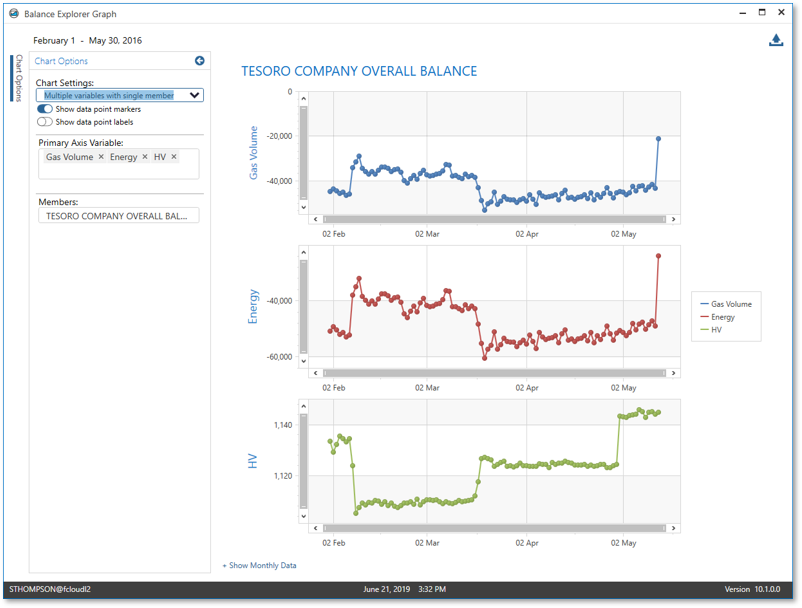
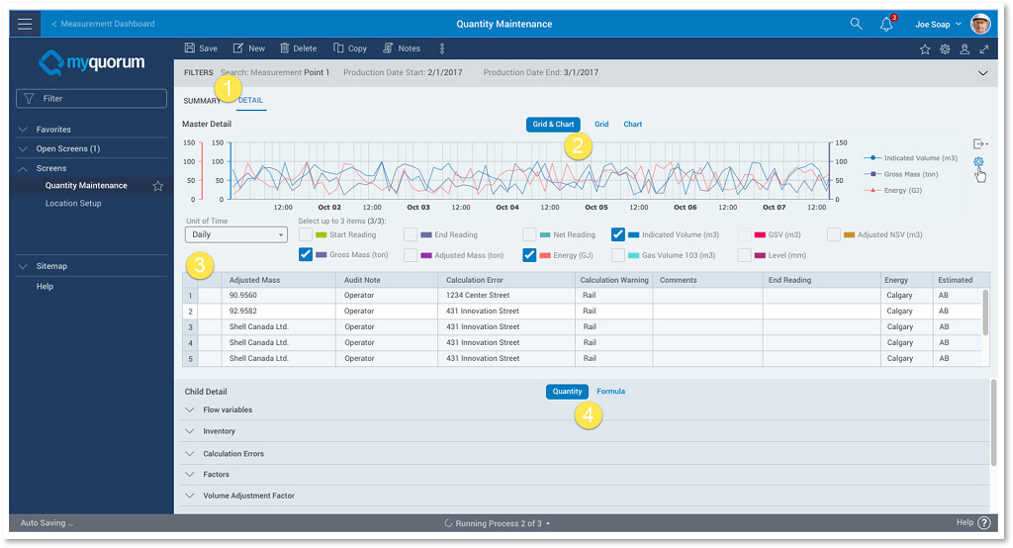
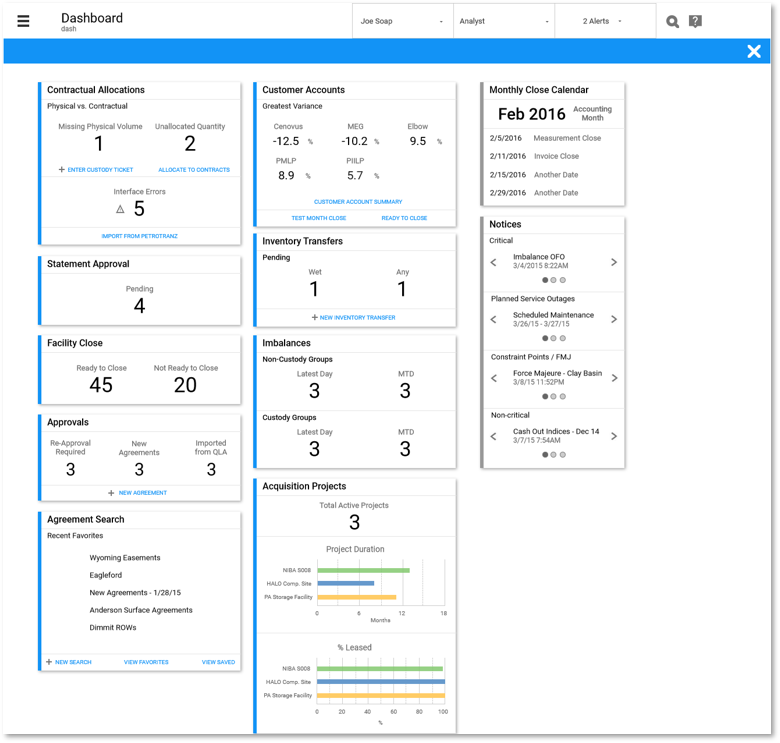
Below are just a few examples showing the range of designs I have created for various projects.
Full Example
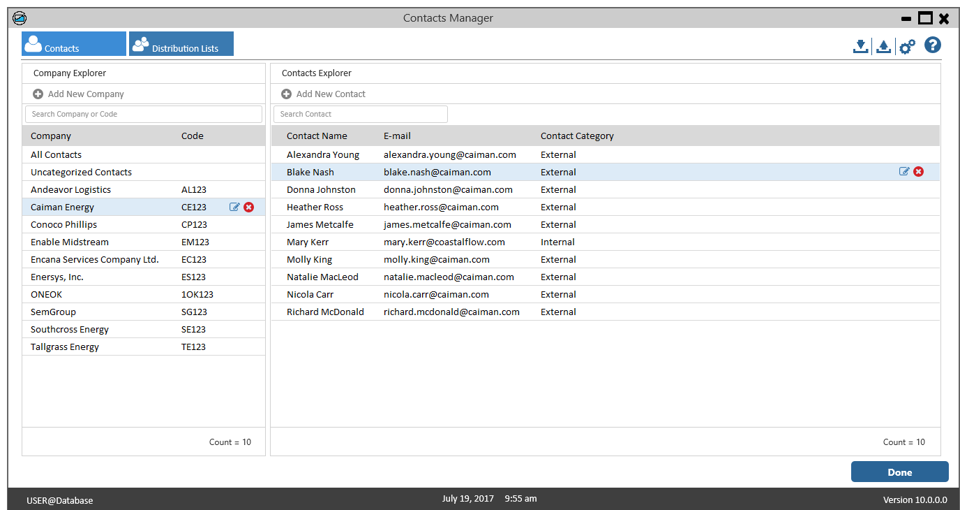
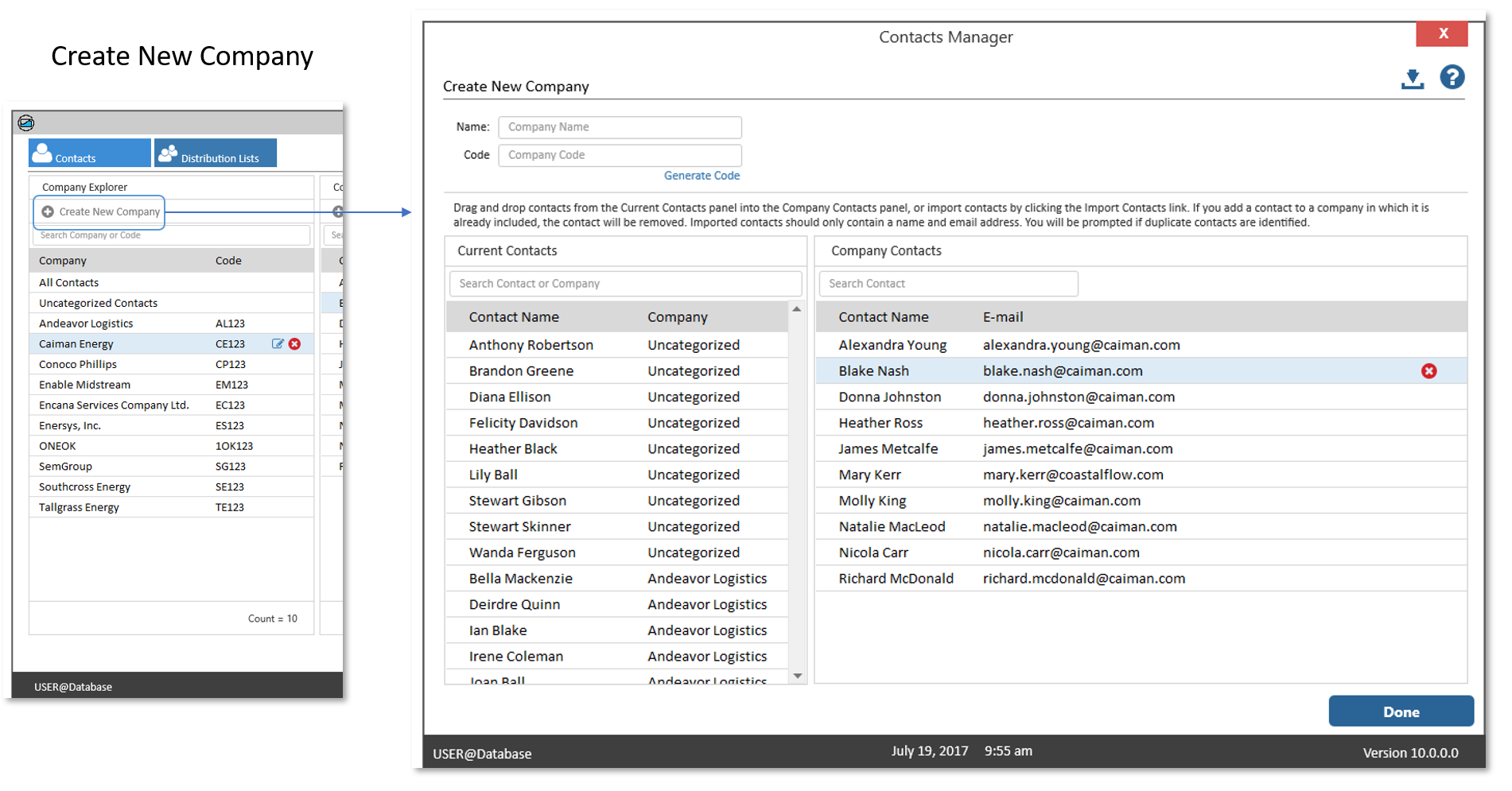
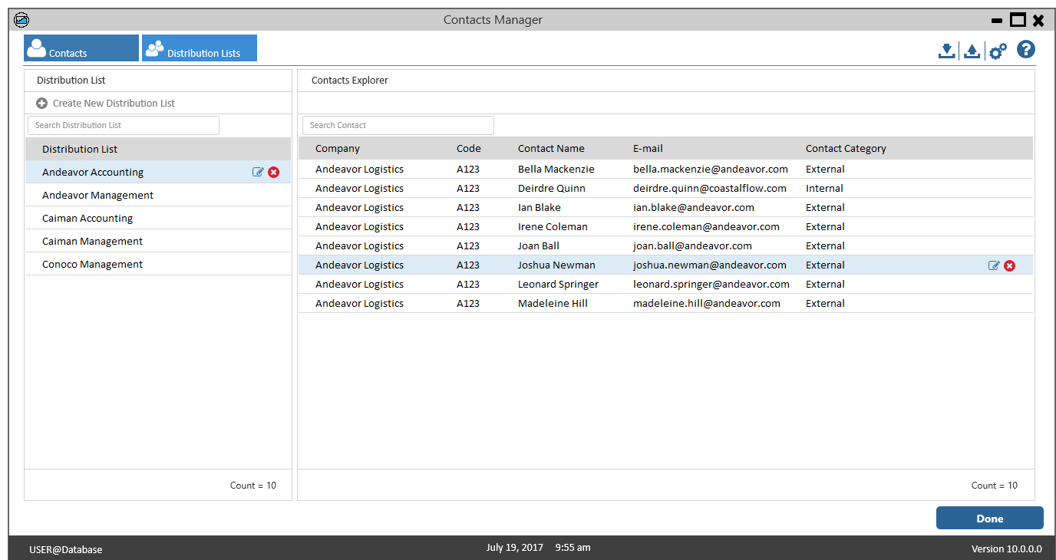
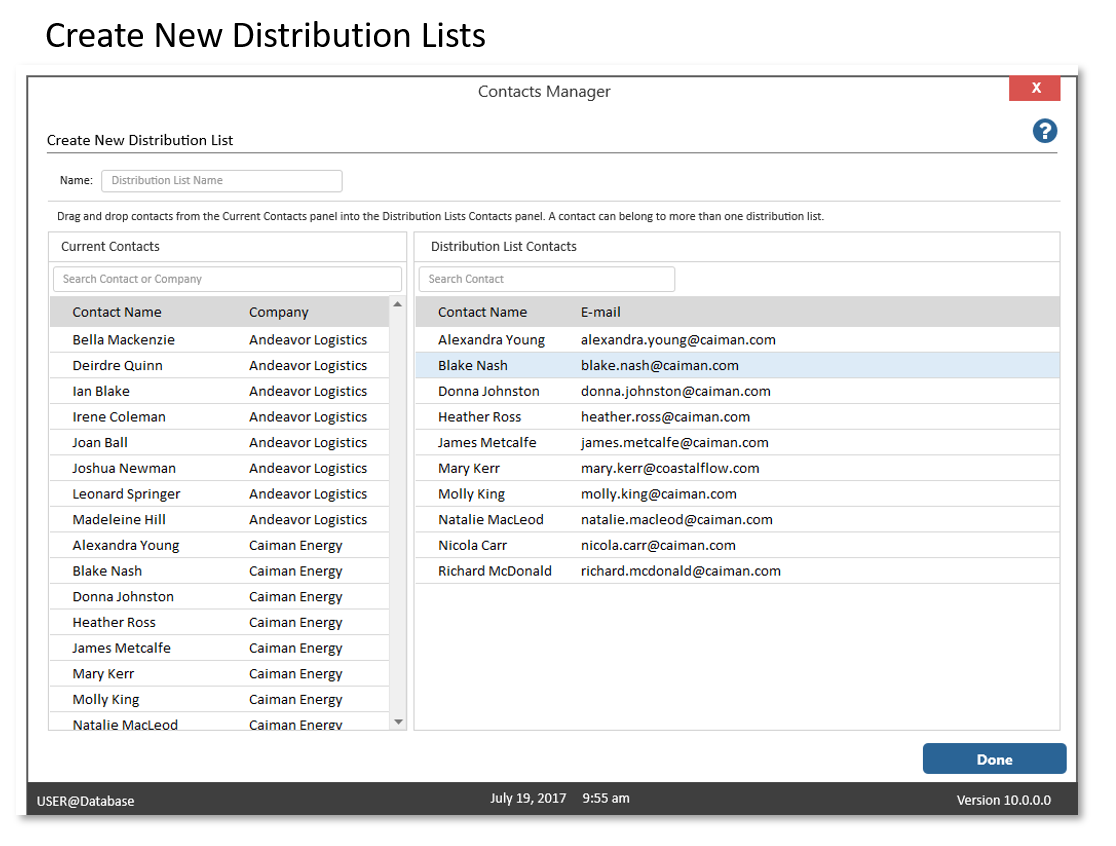
Here is a full example of a Contacts screen. In this case, we began with a legacy design. Using modern design styling and layout, I created a few prototypes to serve as a foundation. This is before I was able to collect any data from users at this point, but was following information from internal SMEs. As you will see the design evolved greatly once data was collected and requirements were developed based on input from users on how they use the Contacts screens.
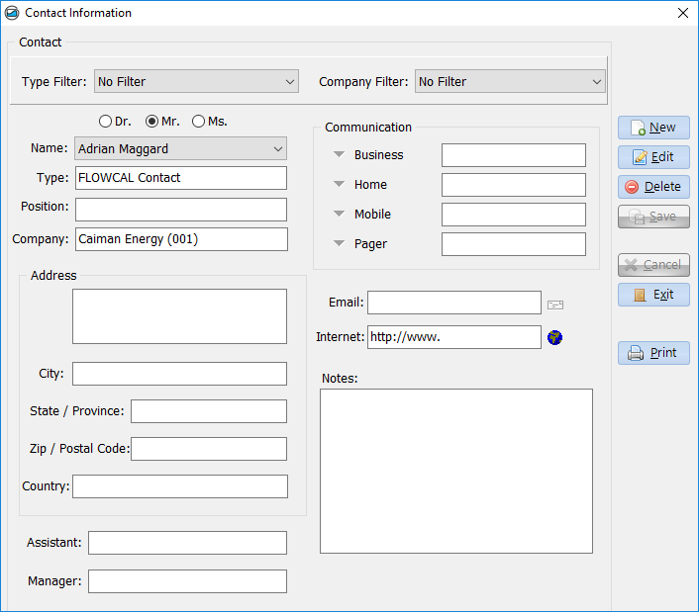
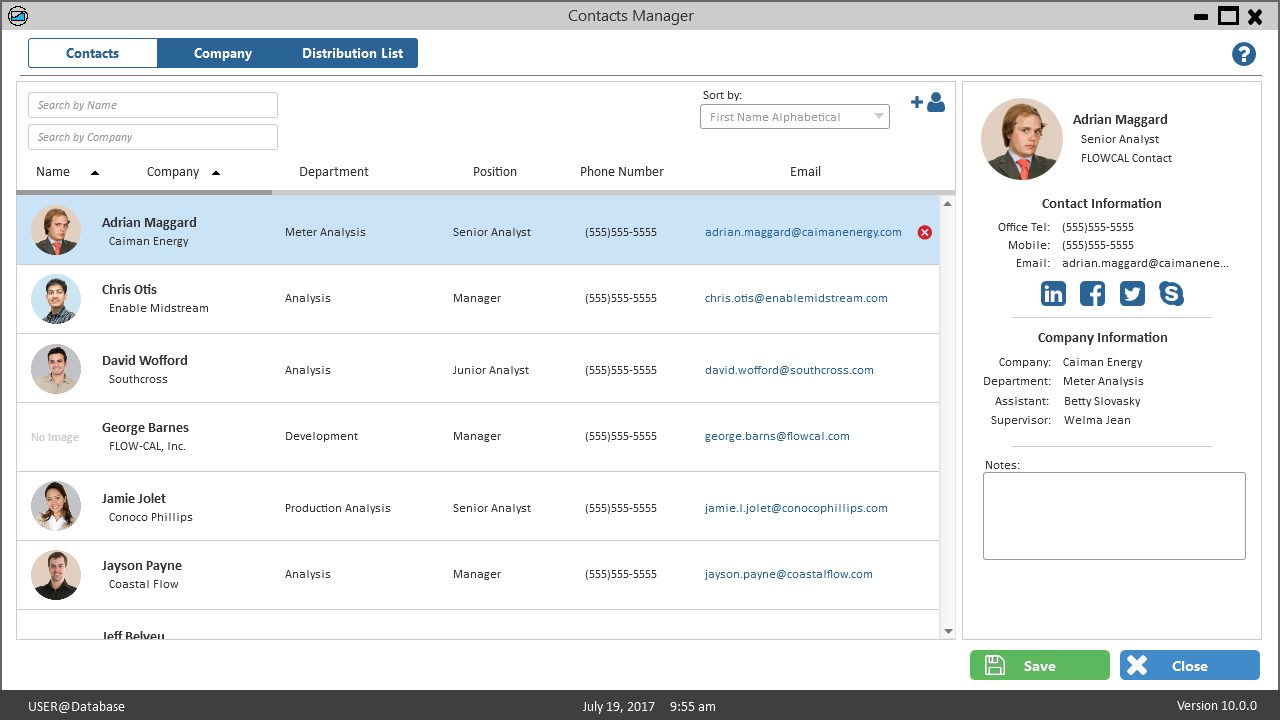
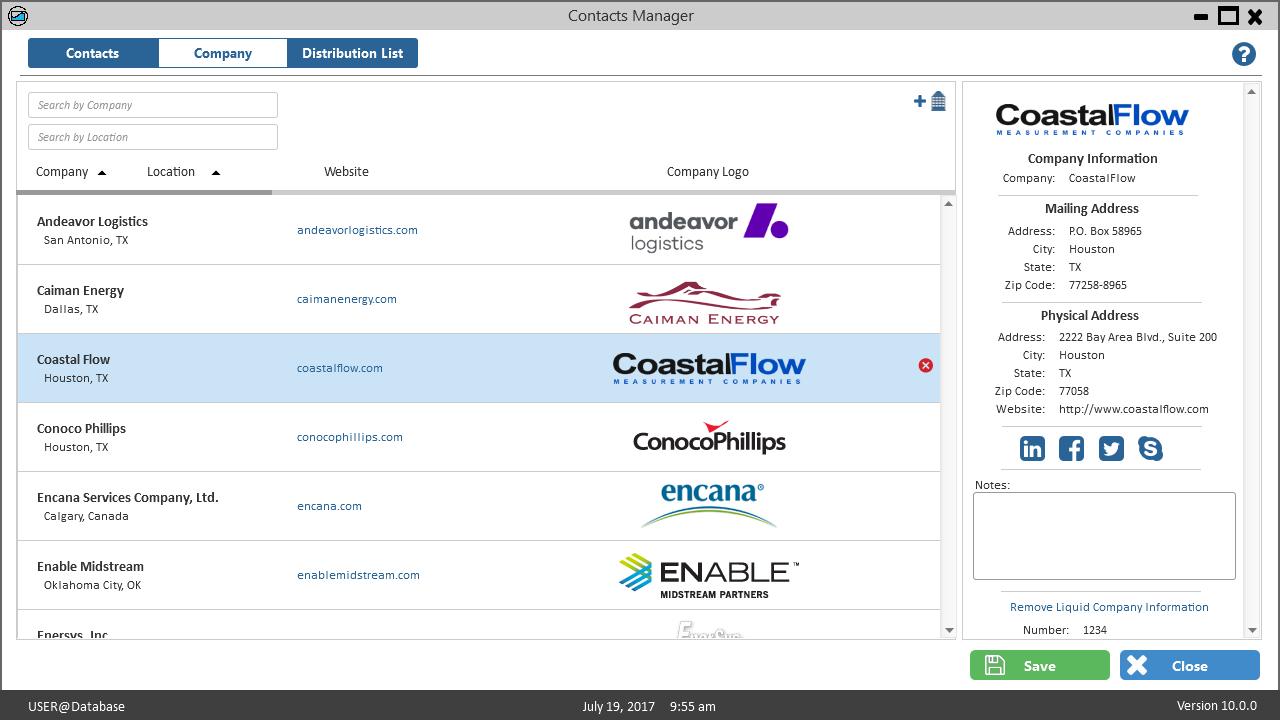
Once I was able to collect data from users using interviews, a workflow was developed that in some ways disputed information gathered by SMEs. This examples the necessity in gathering data directly from users, rather than relying on secondary information based on personal bias or older knowledge.
Here are a list of requirements gathered from users that influenced the design:
- Very few fields are used for contacts, only: Name, Company, and email
- Company should be the primary means for categorizing contacts. Company is used throughout the application for categorizing assets and scheduling reports